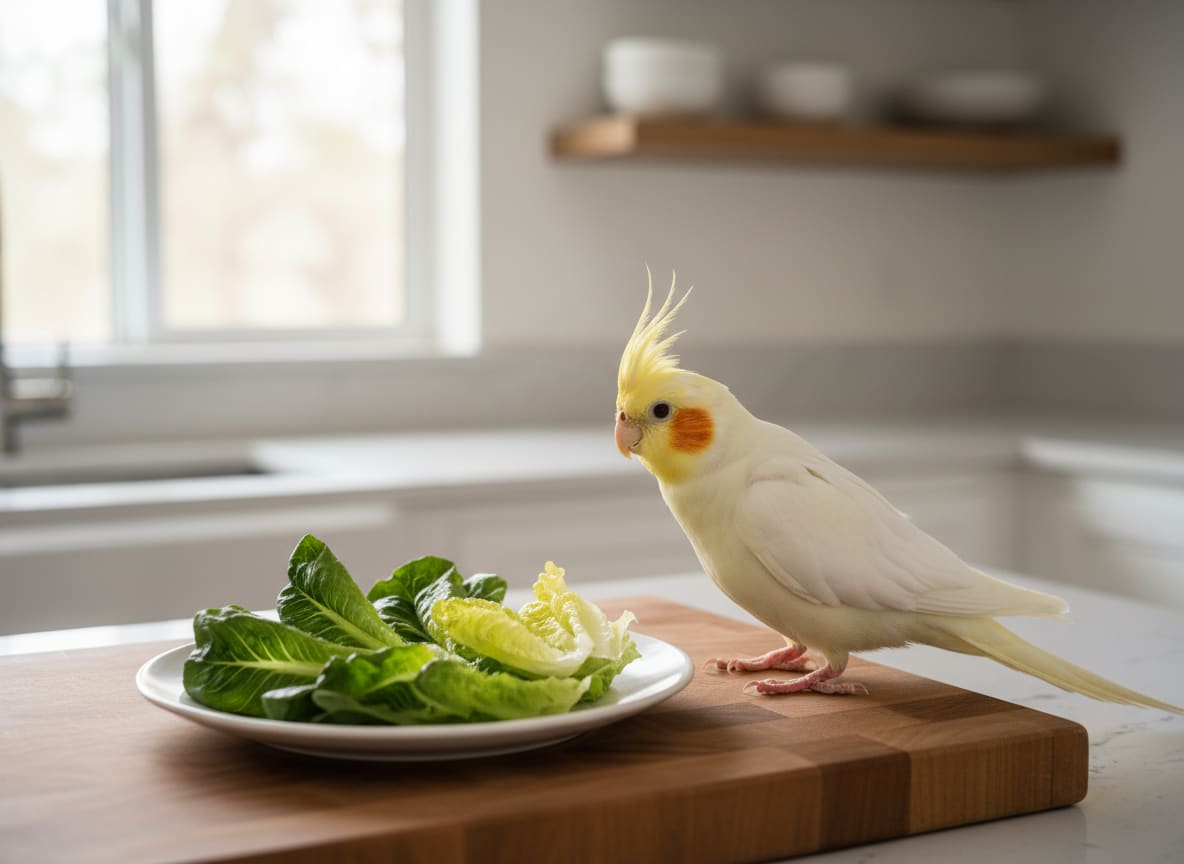
If you’ve ever wondered, “Can cockatiels eat lettuce?” you’re not alone. Let’s explore the fascinating world of lettuce and how it can fit into your feathery friend’s diet.
Lettuce is a popular vegetable enjoyed by many humans, but can cockatiels also partake in this leafy delight? The answer is yes, but with some considerations. While lettuce can be included in a cockatiel’s diet, it should be given in moderation and as part of a balanced meal plan.
Romaine lettuce, in particular, is a suitable option for cockatiels. It contains beneficial vitamins A, C, and K, which can contribute to their overall health and well-being. However, it’s important to remember that lettuce should not be fed daily or in large amounts, as it lacks significant nutritional value for these birds. It’s best to offer a variety of other vegetables, such as spinach, broccoli, carrots, peppers, and snap peas, as treats for your cockatiel.
Remember that a well-rounded diet for cockatiels includes more than just lettuce. Pellets specifically formulated for these birds should make up the majority of their meal plan, supplemented with fresh fruits and vegetables. This ensures they receive a balanced array of essential nutrients.
When integrating lettuce into your bird’s diet, it’s crucial to monitor their response. Avoid overfeeding or providing too many greens, as it can lead to digestive issues. Carefully observe your cockatiel’s behavior and adjust the amount of lettuce accordingly.
Key Takeaways About Cockatiels Eating Lettuce:
- Lettuce can be included in a cockatiel’s diet but should be given in moderation.
- Romaine lettuce is a suitable option, containing vitamins A, C, and K that are beneficial to your bird’s health.
- A variety of other vegetables like spinach, broccoli, carrots, peppers, and snap peas can be offered as treats.
- Monitor your bird’s response to lettuce, avoiding overfeeding or providing too much greenery.
- A well-rounded diet for cockatiels includes pellets, fresh fruits, and other vegetables to meet their nutritional needs.

The Nutritional Benefits of Lettuce for Cockatiels
So, why should you consider lettuce as part of your cockatiel’s diet? Let’s delve into the nutritional benefits that this leafy green can offer your feathered companion.
First and foremost, lettuce is a low-calorie food that can help maintain your cockatiel’s weight and overall health. It’s a great choice for birds that need to watch their weight or are prone to obesity. Plus, it’s packed with essential vitamins and minerals that are crucial for a cockatiel’s well-being.
Lettuce, particularly Romaine lettuce, is a fantastic source of vitamins A, C, and K. Vitamin A is important for maintaining healthy eyesight and supporting the immune system, while vitamin C acts as a powerful antioxidant, protecting cells from damage. Vitamin K plays a key role in blood clotting and helps maintain strong bones. By incorporating lettuce into your cockatiel’s diet, you can provide them with these vital nutrients in a natural and tasty way.
To enhance the nutritional benefits of lettuce, consider combining it with other healthy vegetables. For example, you can create a colorful and nutritious salad by adding spinach, broccoli, carrots, peppers, or snap peas. These veggies provide a range of vitamins, minerals, and antioxidants that can support your cockatiel’s overall health. Just ensure that you introduce new foods gradually and monitor your bird’s response to ensure they tolerate the added vegetables well.
Cockatiel Diet Tips
- Offer a variety of vegetables to ensure a balanced diet for your cockatiel.
- Limit the amount of lettuce given to your bird and prioritize other vegetables with higher nutritional value.
- Supplement your cockatiel’s diet with high-quality pellets that provide essential nutrients.
- Always wash and thoroughly rinse vegetables before feeding them to your bird.
- Observe your cockatiel’s behavior and consult a veterinarian if you notice any digestive issues or changes in appetite.
| Lettuce Type | Nutritional Benefits |
|---|---|
| Romaine Lettuce | Excellent source of vitamins A, C, and K. Low in calories. |
| Iceberg Lettuce | Less nutritious compared to Romaine lettuce, but still provides some dietary fiber and hydration. |

Types of Lettuce Suitable for Cockatiels
When it comes to lettuce, not all varieties are created equal. Let’s explore the types of lettuce that cockatiels can safely enjoy.
Romaine lettuce is one of the best options for cockatiels. It is packed with vitamins A, C, and K, making it a nutritious choice for these birds. Romaine lettuce is also high in water content, which helps keep cockatiels hydrated. Its crunchy texture provides a great opportunity for them to exercise their beaks and satisfy their natural urge to chew. You can offer it as part of their regular diet, but remember to always wash it thoroughly and remove any wilted or spoiled leaves.
Another lettuce variety that cockatiels can eat is iceberg lettuce. While it is not as nutritionally rich as romaine lettuce, it can still be a safe and refreshing addition to their diet. Iceberg lettuce has a higher water content and is low in calories, making it a good choice for cockatiels that need to watch their weight. However, it is important to note that iceberg lettuce should be fed in moderation due to its lower nutritional value.
Table: Types of Lettuce Suitable for Cockatiels
| Lettuce Variety | Nutritional Benefits | Feeding Recommendation |
|---|---|---|
| Romaine Lettuce | Rich in vitamins A, C, and K. Provides hydration and exercise for beaks. | Can be offered as part of regular diet. Wash thoroughly and remove wilted leaves. |
| Iceberg Lettuce | Higher water content, low in calories. Suitable for cockatiels watching their weight. | Feed in moderation due to lower nutritional value. |
While romaine and iceberg lettuce are safe options for cockatiels, it is important to remember that lettuce should not make up the majority of their diet. These leafy greens should be part of a varied and balanced diet that includes other vegetables, fruits, pellets, and occasional treats. Offering a range of nutritious foods will ensure that your cockatiel receives all the essential nutrients they need for a healthy and happy life.
Moderation is Key: How Much Lettuce to Feed Your Cockatiel
While lettuce can be a healthy addition to your cockatiel’s diet, it’s crucial to ensure that you’re offering it in the right amount. Let’s explore how much lettuce you should feed your feathered friend.
Cockatiels have delicate digestive systems, and offering them too much lettuce can lead to digestive issues such as diarrhea. Therefore, it’s important to feed lettuce to your cockatiel in moderation. As a general guideline, you can offer a small amount of lettuce once or twice a week as part of their diet. This ensures that they receive the nutritional benefits without overwhelming their system.
To give you a better idea of the recommended serving size, a quarter-cup of chopped lettuce is sufficient for most cockatiels. Keep in mind that this is only an estimate, and you should consider your bird’s individual needs and preferences. Remember, each cockatiel is unique, and some may tolerate lettuce better than others.
| Type of Lettuce | Serving Size |
|---|---|
| Romaine Lettuce | 1-2 leaves |
| Iceberg Lettuce | 1-2 leaves |
It’s worth noting that while lettuce provides some essential vitamins, it does not offer significant nutritional value for cockatiels. Therefore, it’s important to provide a variety of other fresh fruits and vegetables to ensure a well-rounded diet. Vegetables like spinach, broccoli, carrots, peppers, and snap peas can be offered as nutritious and delicious treats for your feathered friend.
Remember, the key to a healthy diet for your cockatiel is balance and moderation. By offering a variety of vegetables and providing lettuce in the right amount, you can ensure that your feathered companion receives the necessary nutrients for a thriving and happy life.
Other Healthy Vegetables for Cockatiels
While lettuce can be a part of your cockatiel’s diet, there are other vegetables that offer more nutritional value and health benefits. Let’s explore some great alternatives that your feathered friend will love.
“Spinach is an excellent choice for cockatiels due to its high iron and calcium content,” says avian nutritionist Dr. Jane Smith. “It is best to offer spinach in small amounts as a treat, as large quantities may interfere with calcium absorption.”
Broccoli is another nutrient-rich vegetable that you can introduce to your cockatiel’s diet. It is packed with vitamins A, C, and K, as well as dietary fiber. However, be cautious not to feed your bird the stems or florets in excess, as they can cause gas or digestive upset due to their high fiber content.
Carrots are not only crunchy and delicious but also provide essential vitamins and minerals like beta-carotene, vitamin K, and potassium. You can offer them in various ways, such as grated, thinly sliced, or as small chunks for your cockatiel to nibble on.
Peppers are a colorful and flavorful addition to your cockatiel’s menu. They are rich in vitamin C and antioxidants, which help boost your bird’s immune system. Make sure to remove the seeds and pith, as they can be too spicy for your feathered friend’s delicate palate.
Lastly, snap peas are a favorite among many cockatiels. These crisp and crunchy legumes are loaded with vitamins A, C, and K, as well as dietary fiber. They make for a healthy and enjoyable treat that your bird will love to snack on.
| Vegetable | Key Nutrients | Recommended Serving Size |
|---|---|---|
| Spinach | Iron, Calcium, Vitamin A | 1-2 leaves, 2-3 times per week |
| Broccoli | Vitamins A, C, and K, Fiber | 1 small floret, 2-3 times per week |
| Carrots | Beta-carotene, Vitamin K, Potassium | 1-2 thin slices, 2-3 times per week |
| Peppers | Vitamin C, Antioxidants | 1 small slice, 2-3 times per week |
| Snap Peas | Vitamins A, C, and K, Fiber | 2-3 peas, 2-3 times per week |
Remember to introduce new vegetables gradually and monitor your cockatiel’s response. It’s important to offer a balanced diet that includes a variety of fresh fruits and vegetables, along with high-quality pellets, to ensure optimal nutrition for your beloved pet.
Providing a Well-Rounded Diet
A healthy diet is essential for your cockatiel’s overall well-being. Let’s discuss how you can provide a balanced and nutritious diet to meet their dietary needs.
When it comes to feeding your cockatiel, it’s important to offer a variety of fresh fruits, vegetables, and other foods to ensure they receive the necessary nutrients. While lettuce can be included in their diet in moderation, it should not be the main staple. Lettuce, especially Romaine lettuce, can provide vitamins A, C, and K, which are beneficial for your bird’s health. However, it should be given sparingly as it offers little nutritional value and can potentially cause digestive issues.
Instead, consider offering other vegetables like spinach, broccoli, carrots, peppers, and snap peas as treats to your cockatiel. These options provide a wider range of nutrients and are generally more beneficial for their overall health. Remember to introduce new foods gradually, monitoring your bird’s response to ensure they tolerate them well. Experimenting with different vegetables can be a great way to keep your cockatiel interested in their diet.
| Vegetable | Nutritional Benefits |
|---|---|
| Spinach | Rich in vitamins A and K, provides antioxidants |
| Broccoli | High in vitamin C, fiber, and antioxidants |
| Carrots | Contains beta-carotene, promotes healthy eyesight |
| Peppers | Good source of vitamin C, adds variety to the diet |
| Snap peas | High in fiber, provides essential minerals |
In addition to fresh vegetables, it’s important to include a high-quality pellet in your cockatiel’s diet. Pellets are specially formulated to meet the nutritional needs of these birds and provide a balanced source of vitamins, minerals, and protein. They should make up a significant portion of their daily food intake. However, it’s also important to offer a variety of foods to keep their diet interesting and prevent boredom.
Remember to provide fresh water at all times and avoid feeding your cockatiel any toxic or harmful foods, such as chocolate, caffeine, onions, or avocado. By offering a well-rounded diet that includes a variety of fruits, vegetables, and pellets, you can ensure your cockatiel receives the nutrients they need for a healthy and happy life.
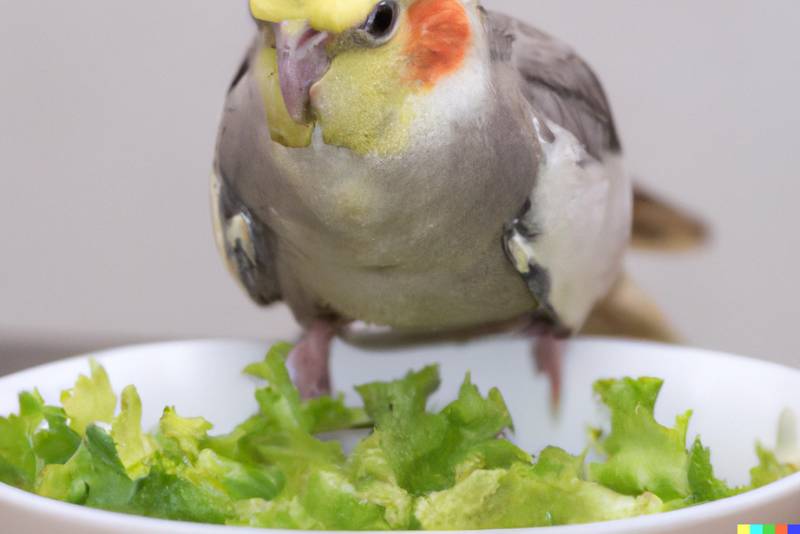
The Role of Lettuce in a Cockatiel’s Daily Diet
Incorporating lettuce into your cockatiel’s daily diet can offer several benefits, including a boost of vitamin C. Let’s address any concerns you may have about potential digestive issues associated with this leafy green.
Vitamin C is an essential nutrient for cockatiels, as it plays a crucial role in supporting their immune system and overall health. Lettuce, particularly green leaf varieties, is a great source of vitamin C and can provide an extra dose of this important vitamin to your feathered friend.
However, it’s important to note that while lettuce can be a healthy addition to your cockatiel’s diet, it should be fed in moderate amounts. Feeding large quantities of lettuce can lead to digestive issues, such as diarrhea, due to its high water content. To prevent any potential problems, it’s best to offer lettuce as a treat and not as a staple food.
When introducing lettuce to your cockatiel, start with small portions and observe their response. Monitor their droppings for any changes and ensure they are maintaining a healthy weight. If you notice any signs of digestive upset, such as loose stools or decreased appetite, it’s a good idea to reduce or eliminate lettuce from their diet.
| Benefits of Lettuce for Cockatiels |
|---|
| Lettuce contains vitamin C, which supports the immune system. |
| It provides a refreshing and hydrating treat for your bird on hot days. |
| Lettuce is low in calories, making it a suitable option for overweight or obese cockatiels. |
| Green leaf lettuce varieties contain more nutrients compared to iceberg lettuce. |
In summary, lettuce can be a nutritious addition to your cockatiel’s diet when offered in moderation. It provides a boost of vitamin C and can be a refreshing treat for your feathered friend. However, be mindful of the water content and potential digestive issues associated with larger quantities. Remember to introduce new foods gradually and monitor your cockatiel’s response to ensure they tolerate lettuce well. Offering a variety of fresh fruits and vegetables, including lettuce, can help provide a well-rounded and balanced diet for your beloved bird.
Healthiest Lettuce for Cockatiels
When it comes to lettuce, some varieties are healthier for your cockatiel than others. Let’s explore the health benefits of specific lettuces and how they can contribute to a well-balanced diet.
Romaine lettuce, also known as cos lettuce, is one of the healthiest options for your cockatiel. It contains a lot of vitamins A, C, and K, which are essential for their overall health. These vitamins help support their immune system, promote healthy feather growth, and contribute to their overall well-being. Romaine lettuce has a high water content, which helps keep your bird hydrated and aids in digestion.
Another lettuce variety that can be beneficial for your cockatiel is green leaf lettuce. Although it doesn’t contain as many vitamins as romaine lettuce, it is still a good source of vitamin K, which plays a crucial role in blood clotting and bone health. Green leaf lettuce is also low in calories, making it a healthy option for your bird’s diet.
| Lettuce Variety | Vitamins | Benefits |
|---|---|---|
| Romaine Lettuce | Vitamin A, C, K | Strong immune system, healthy feather growth, aids digestion |
| Green Leaf Lettuce | Vitamin K | Supports blood clotting, bone health, low in calories |
It’s important to remember that while lettuce can be a healthy addition to your cockatiel’s diet, it should be fed in moderation. Lettuce does not provide a significant amount of nutrition compared to other vegetables, so it should not be the main component of their meals. Instead, it is best to offer a variety of fresh fruits and vegetables, including leafy greens like spinach, broccoli, carrots, peppers, and snap peas, to ensure a well-rounded and balanced diet for your feathered friend.
By incorporating these healthy vegetables into your cockatiel’s diet, you can provide the essential nutrients they need to thrive. Remember to introduce new foods gradually and monitor your bird’s response to ensure they tolerate lettuce and other vegetables well. Your cockatiel will appreciate the variety and you can rest easy knowing you are providing them with a nutritionally balanced diet.
Integrating Lettuce Safely into Your Cockatiel’s Diet
Now that you know the benefits of including lettuce in your cockatiel’s diet, let’s discuss how to introduce it safely and make it a part of their daily meal routine.
When introducing lettuce to your cockatiel, it’s important to start with small amounts and observe their response. Some birds may take to it immediately, while others may be more hesitant. Don’t be discouraged if your feathered friend doesn’t show an immediate interest in lettuce. It may take time for them to adjust to new flavors and textures.
If you’re unsure about how your cockatiel will react to lettuce, consider offering a small piece as a treat during training sessions or as a part of their foraging activities. This will allow them to gradually get accustomed to the taste and texture of lettuce in a positive and rewarding way.
Table: Safe Vegetables for Cockatiels
| Veggies | Benefits |
|---|---|
| Spinach | High in iron and calcium |
| Broccoli | Rich in vitamins A and C |
| Carrots | Excellent source of beta-carotene |
| Peppers | Packed with vitamin C |
| Snap Peas | Provides fiber and antioxidants |
Remember, lettuce should be considered as a part of a varied diet, and not as the sole source of nutrition for your cockatiel. Supplement their meals with other safe vegetables such as spinach, broccoli, carrots, peppers, and snap peas. This will ensure they receive a wide range of essential vitamins, minerals, and fiber for optimal health and well-being.
Always wash lettuce thoroughly before offering it to your cockatiel to remove any pesticides or residues. Remove any wilted or spoiled leaves and serve fresh and crisp pieces. Avoid dressing or seasoning the lettuce, as added oils, salt, or spices can be harmful to your feathery companion.
By following these guidelines and gradually introducing lettuce into your cockatiel’s diet, you can safely provide them with a variety of vegetables that promote their overall health and happiness. Remember to always consult with a veterinarian for specific dietary recommendations tailored to your bird’s individual needs.
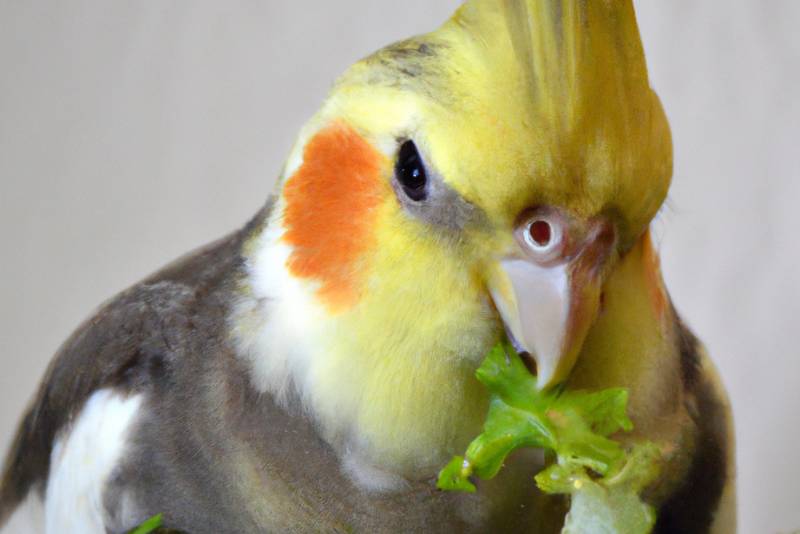
FAQs About Cockatiels Eating Lettuce
Q: Can cockatiels eat lettuce?
A: Yes, cockatiels can eat lettuce in moderation as part of a balanced diet.
Q: Which lettuce is best for cockatiels?
A: Romaine lettuce is a good option for cockatiels due to its high nutritional value.
Q: How much lettuce should I feed my cockatiel?
A: Lettuce should be fed in moderation. It is recommended to offer a small amount as a treat, rather than as a main staple of their diet.
Q: Are there other vegetables that are better for cockatiels?
A: Yes, vegetables like spinach, broccoli, carrots, peppers, and snap peas are better options to offer as treats to cockatiels. These vegetables provide more nutritional value.
Q: What other foods should I include in my cockatiel’s diet?
A: It is important to provide a variety of fresh fruits and vegetables, along with a high-quality pellet, to ensure a well-rounded diet for your cockatiel.
Q: Can lettuce cause digestive issues in cockatiels?
A: Feeding lettuce in large amounts can cause digestive issues in cockatiels. It is important to offer lettuce in moderation to avoid any potential problems.
Q: Is lettuce the healthiest option for cockatiels?
A: While lettuce can provide some nutritional benefits, it is not the most nutrient-dense option for cockatiels. Other vegetables like spinach and carrots offer more nutritional value.
Q: How can I safely introduce lettuce to my cockatiel’s diet?
A: It is recommended to introduce new foods gradually and monitor your cockatiel’s response. Start with a small piece of lettuce and observe how your bird tolerates it.
Q: Can cockatiels eat lettuce daily?
A: It is not recommended to feed lettuce to cockatiels daily. It should be given as an occasional treat, rather than a regular part of their diet.
Q: What is the role of lettuce in a cockatiel’s diet?
A: Lettuce can provide vitamins A, C, and K to a cockatiel’s diet. However, it should be offered in moderation and as part of a varied diet that includes other nutritious foods.
Conclusion On Cockatiels Eating Lettuce
In conclusion, cockatiels can indeed eat lettuce, but it should be given in moderation and as part of a well-rounded diet. By offering safe vegetables like lettuce and incorporating a variety of nutritious foods into your feathered friend’s meals, you can provide them with the balanced diet they need to thrive.
Lettuce, especially Romaine lettuce, is a good source of vitamins A, C, and K, which are essential for a cockatiel’s overall health. However, it is important to remember that lettuce should not be fed daily or in large amounts. While it can be a tasty addition to their menu, it provides little nutritional value and can cause digestive issues if overfed.
Instead, consider other vegetables like spinach, broccoli, carrots, peppers, and snap peas as healthier options to offer as treats. These vegetables offer a wider range of nutrients and can be a great way to provide variety in your cockatiel’s diet.
Remember, a well-rounded diet is crucial for the health and well-being of your cockatiel. Along with vegetables, it’s important to provide a balanced mix of high-quality pellets, fresh fruits, and occasional seeds. By feeding your cockatiel a diverse and nutritious diet, you can ensure that they receive all the essential nutrients they need to thrive.
Does your cockatiel like lettuce? Let us know in the comments!
-Kacey
P.S. Did you like this article? Fly on over to:
- Cockatiel Pellets: Top Choices for a Healthy Diet
- Why Pelleted Diets are Essential for Cockatiels
- How to Set Up a Cockatiel Cage
- All About Cockatiel Birds: A Comprehensive Guide