Have you ever wondered if your feathered friend can actually talk? Let’s explore the truth about cockatiels and their communication skills.
Key Takeaways On How Well Cockatiels Talk:
- Cockatiels can talk, but their speech abilities are not as advanced as larger parrot species.
- They are more inclined to whistle and chirp than to repeat words and phrases.
- Male cockatiels have a better chance of talking than females.
- Cockatiels start picking up sounds around three months old, and proper training can begin at around 8-10 months.
- The level of talking ability varies among individual birds, and some may not talk at all.
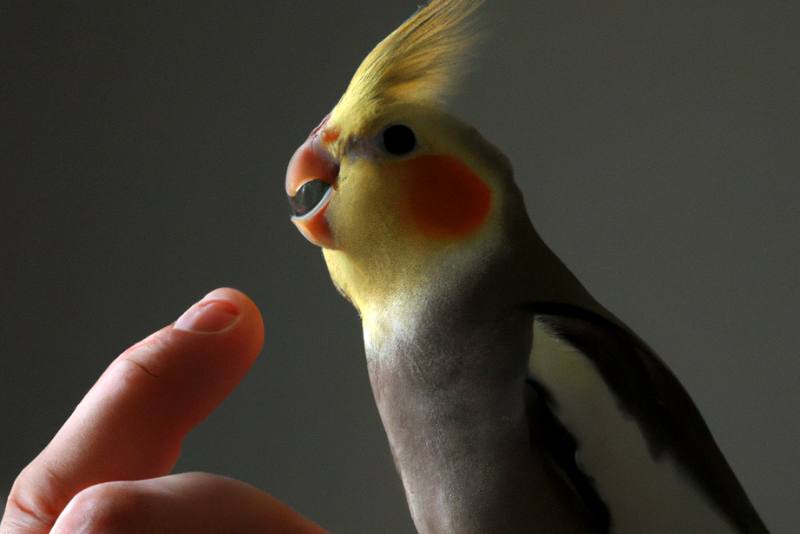
Understanding Cockatiel Communication
While cockatiels may not have the same linguistic abilities as humans, they are still excellent communicators in their own unique ways. These beautiful birds have a wide range of vocalizations that they use to express their emotions and communicate with their owners. Understanding cockatiel communication is essential for building a strong bond and ensuring their well-being.
One of the most common forms of communication for cockatiels is chirping. They use different types of chirps to express their happiness, contentment, or distress. For example, a high-pitched and rapid chirping often indicates excitement or happiness, whereas a low and repetitive chirping can signal anxiety or discomfort. By paying attention to these vocalizations, you can better understand your cockatiel’s emotional state.
Another important aspect of cockatiel communication is whistling. These birds are known for their whistling abilities and often use it as a way to communicate with their owners or other birds. Cockatiels can imitate various melodies and even mimic the sounds they hear in their environment. Many owners find joy in teaching their cockatiels popular tunes or creating unique whistling rituals with their feathered companions.
| Form of Communication | Description |
|---|---|
| Chirping | Expresses emotions like happiness, contentment, or distress. |
| Whistling | Used to communicate, mimic melodies, and create unique rituals. |
It’s important to note that while cockatiels may not have the same talking abilities as larger parrot species, they can still learn to mimic words and phrases with the right training and environment. Male cockatiels generally have a better chance of talking than females, but individual variation exists among birds. Some cockatiels may show a strong inclination to learn and talk, while others may not show much interest.
In the next sections, we will explore the development of cockatiel speech abilities, effective strategies for teaching them to talk, and the importance of positive reinforcement in the training process. Stay tuned to discover how you can unlock the talking potential of your beloved cockatiel!
Male vs Female Cockatiels: Talking Abilities
When it comes to talking, male and female cockatiels often display some differences in their speech abilities. While both sexes have the potential to learn to talk, it is generally observed that male cockatiels have a better chance of developing speech skills compared to females. This difference can be attributed to several factors, including hormonal influences and natural variations in individual bird behavior.
Male cockatiels typically have more pronounced vocalization capabilities, and their ability to mimic human speech is often superior to that of their female counterparts. This may be due to the fact that male cockatiels vocalize more frequently and are more inclined to engage in mimicry as part of their mating behavior. Females, on the other hand, tend to focus more on other forms of communication, such as chirping and whistling, which they use to express their emotions and establish social bonds.
While it is not impossible for female cockatiels to learn to talk, it is generally less common compared to male cockatiels. It is important to note, however, that individual variations exist, and there may be some female cockatiels who display exceptional speech abilities. Therefore, it is always worth providing training and encouragement to all cockatiels, regardless of their sex, as they may surprise you with their learning capabilities.
Table: Male vs Female Cockatiels: Talking Abilities Comparison
| Male Cockatiels | Female Cockatiels |
|---|---|
| More inclined to mimic human speech | Focus more on chirping and whistling |
| Greater potential for advanced speech abilities | Less likely to develop extensive speech skills |
| Vocalize more frequently | Utilize vocalizations for emotional expression |
In conclusion, while male cockatiels generally have a better chance of developing speech abilities, it is important to remember that each bird is unique and may exhibit individual variations in their learning capabilities. Whether male or female, providing proper training, consistent practice, and positive reinforcement can greatly enhance their chances of learning to talk. And even if they don’t become proficient talkers, their natural-born communication skills, such as chirping and whistling, still allow them to express their emotions and interact with their owners in a meaningful way.
Development of Cockatiel Speech Abilities
Like human babies, cockatiels go through a developmental process when it comes to their speech abilities. It’s important to understand that not all cockatiels will talk, and their level of talking ability can vary greatly. Some may become proficient talkers, while others may not show much interest in mimicking words and phrases. It’s essential to remember that each bird is unique, and not all of them will have the same level of speech capabilities.
Cockatiels start picking up sounds at around three months old. This is the time when they begin to mimic the whistles and chirps they hear in their environment. However, it’s important to note that they are more inclined to whistle and chirp than to repeat words and phrases. If you’re looking to teach your cockatiel to talk, the optimal age to start training is around 8-10 months, when they have fully developed their vocal abilities.
When training a cockatiel to talk, patience, consistency, and positive reinforcement are key. Like with any learning process, it takes time for the bird to understand and associate the meaning of certain phrases. Slow and steady training with repetitive words and phrases has proven to be effective in teaching cockatiels to talk. It is easier to teach one bird at a time, as they can focus better and receive more individual attention.
| Training Tips for Teaching a Cockatiel to Talk | Effective Strategies for Teaching Cockatiels to Talk |
|---|---|
| Start training when the bird is young. | Use repetitive words and phrases in training. |
| Be patient and consistent in the training process. | Involve them in conversations to aid their understanding. |
| Use positive reinforcement, such as treats or praise, when the bird mimics words correctly. | Train one bird at a time to maximize focus and attention. |
It’s important to remember that not all cockatiels will talk, and that’s okay. Some birds may prefer to communicate through their various vocalizations, such as chirping and whistling, rather than talking. Accepting each bird’s unique abilities and not forcing them to talk if they are not inclined to do so is crucial for their overall well-being and happiness.

Training Cockatiels to Talk
Training a cockatiel to talk may require time and effort, but with the right approach, it can be a rewarding experience for both you and your feathered friend. Cockatiels are known for their communication abilities, and although their speech may not be as advanced as larger parrot species, they can still learn to mimic words and phrases with proper training.
When it comes to teaching a cockatiel to talk, patience, consistency, and positive reinforcement are key. It’s important to start training them when they are young, around 8 to 10 months old, as they are more receptive to learning at this age. Slow and steady training is effective, using repetitive words and phrases that you want your cockatiel to learn. Creating a calm and quiet environment during training sessions can help them focus and associate the meaning of certain phrases.
One effective strategy is to teach one bird at a time, as this allows for individual attention and reduces distractions. By involving them in conversations and daily interactions, they can learn to understand and associate words with specific actions or situations. Positive reinforcement, such as treats or praise, should be used when the bird mimics words correctly, encouraging them to continue their learning journey.
Training Cockatiels to Talk: Tips and Techniques
- Start training when the cockatiel is young, around 8 to 10 months old.
- Use a calm and quiet environment during training sessions.
- Be patient and consistent with your training approach.
- Use repetitive words and phrases that you want your cockatiel to learn.
- Teach one bird at a time to reduce distractions.
- Involve your cockatiel in conversations and daily interactions.
- Use positive reinforcement, such as treats or praise, when the bird mimics words correctly.
Remember that not all cockatiels will have the same level of talking ability, as it can vary among individual birds. Some may not show much interest in mimicking words and phrases, and it’s important to accept and appreciate each bird’s unique abilities. Communication for cockatiels extends beyond speech, as they have various vocalizations to express different emotions and communicate with their owners. So even if your cockatiel doesn’t become a proficient talker, you can still enjoy their natural-born communication skills and the special bond they form with you.
Effective Strategies for Teaching Cockatiels to Talk
When it comes to teaching your cockatiel to talk, a few strategies can significantly increase your chances of success. Patience, consistency, and positive reinforcement are key to helping your feathery friend mimic words and phrases. It’s important to start training them at a young age, ideally around 8-10 months old, when they are more receptive to learning.
Slow and steady training is the most effective approach. Repetition is crucial, so choose a few simple words or phrases to consistently repeat to your cockatiel. For example, you can start with greetings such as “hello” or “good morning.” Speak clearly and enunciate the words, so your cockatiel can better understand and imitate the sounds.
Teaching one bird at a time is recommended to avoid confusion. Each cockatiel has its own learning pace, so it’s best to focus on one bird until they have grasped the basic vocabulary. It’s also beneficial to involve them in conversations. Talk to your cockatiel as you would with any other family member. They will start associating certain words and phrases with their meanings, making it easier for them to communicate with you.
Positive reinforcement is a crucial part of the training process. When your cockatiel attempts to mimic a word or phrase correctly, reward them with treats or praise. This positive reinforcement encourages them to continue learning and reinforces the behavior you want to promote. Remember to create a positive and encouraging environment during the training sessions to keep your cockatiel motivated and engaged.
Positive Reinforcement in Cockatiel Training
Positive reinforcement is a crucial aspect of training your cockatiel to talk and can greatly influence their language abilities. By using rewards and praise, you can encourage your bird to mimic words and phrases correctly, making the training process more effective and enjoyable for both of you. Cockatiels are intelligent creatures and respond well to positive reinforcement, as it creates a positive and encouraging environment for learning.
When your cockatiel successfully repeats a word or phrase, be sure to reward them with a treat or offer enthusiastic praise. This not only reinforces the desired behavior but also strengthens the bond between you and your feathered friend. Consider using their favorite treat as a reward, such as a small piece of fruit or a sunflower seed, to make the training even more enticing for them.
“Positive reinforcement is a crucial aspect of training your cockatiel to talk and can greatly influence their language abilities.”
Consistency is key when it comes to positive reinforcement. Make sure to use the same words and phrases consistently during training sessions. Repetition helps your cockatiel understand and associate the meaning of certain words or phrases. It’s also beneficial to train your cockatiel in a quiet and distraction-free environment, as this allows them to focus on learning and reduces the chance of confusion.
Remember, every bird is unique, and their language abilities may vary. Some cockatiels may become proficient talkers, while others may show less interest in mimicking words. It’s important to accept and appreciate your bird’s individual abilities and not force them to talk if they are not inclined to do so. Keep the training sessions enjoyable and stress-free, and let your cockatiel’s personality shine through their unique vocalizations.
| Top Tips for Positive Reinforcement in Cockatiel Training: |
|---|
| Use rewards and praise when your cockatiel correctly mimics words or phrases. |
| Be consistent with the words and phrases you use during training sessions. |
| Train your cockatiel in a quiet and distraction-free environment. |
| Accept and appreciate your bird’s unique abilities and don’t force them to talk. |
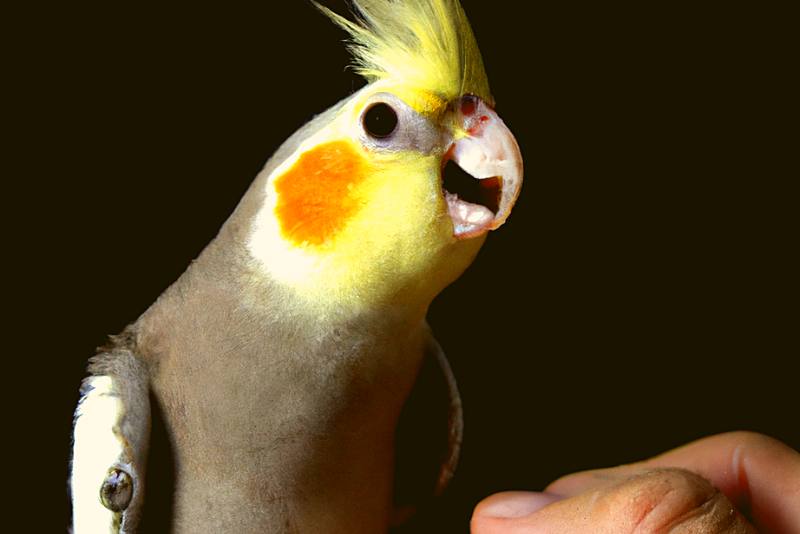
Individual Variations in Cockatiel Talking Ability
Just like humans, cockatiels have their own unique personalities, which can influence their ability and desire to talk. While some cockatiels may readily mimic words and phrases, others may show little interest in doing so. It’s important to understand and accept these individual variations and not force a bird to talk if they are not inclined to do so.
Teaching a cockatiel to talk requires patience, consistency, and positive reinforcement. It’s crucial to start training them when they are young, as they are more receptive to learning during this period. Slow and steady training, using repetitive words and phrases, is often the most effective approach.
When training cockatiels to talk, it’s beneficial to focus on one bird at a time. This allows for more individualized attention and better progress. Additionally, involving them in conversations and daily interactions can help them understand and associate the meaning of certain phrases.
Training Tips for Teaching Cockatiels to Talk:
- Start training when the bird is young, around 8-10 months old.
- Use repetitive words and phrases, speaking clearly and enunciating each word.
- Involve the bird in conversations and daily activities to reinforce their understanding.
- Use positive reinforcement, such as treats or praise, when the bird mimics words correctly.
It’s important to note that the level of talking ability varies among individual cockatiels, and some may not talk at all. This is perfectly normal and should be respected. Cockatiels are natural-born communicators, expressing themselves through various vocalizations such as chirping and whistling. These vocalizations help them convey different emotions and communicate with their owners, even if they don’t master speech like larger parrot species.
Table: Comparison of Cockatiels’ Talking Abilities
| Cockatiel | Talking Ability | Vocalizations |
|---|---|---|
| Male | Higher chance of talking | Chirping, whistling, mimicking words/phrases |
| Female | Lower chance of talking | Chirping, whistling |
| Individual variations | Varies among birds | Chirping, whistling, potential speech abilities |
Overall, while not all cockatiels may become proficient talkers, they have their own unique ways of communicating and bonding with their owners. Whether it’s through whistles, chirps, or the occasional word, cockatiels can provide entertainment, companionship, and joy in their own special way.
Cockatiels as Natural-born Communicators
While cockatiels may not talk as fluently as larger parrot species, they are still natural-born communicators with a wide range of vocalizations. These intelligent birds have the ability to express various emotions and communicate with their owners through their unique vocal repertoire.
One of the most common ways cockatiels communicate is through chirping and whistling. They use different types of chirps and whistles to convey different messages, such as expressing happiness, calling for attention, or warning of potential danger. These vocalizations allow cockatiels to interact with their environment and establish a form of communication with their human companions.
Additionally, cockatiels have a knack for mimicking sounds they hear in their surroundings. While they may not be able to replicate complex words and phrases like some larger parrot species, they can still learn to imitate certain sounds, such as doorbells, phone rings, or even the voices of their owners. This mimicry adds an entertaining element to their communication abilities and further strengthens the bond between cockatiels and their human caretakers.
| Communication Method | Description |
|---|---|
| Chirping | Expressing happiness, calling for attention, or warning of danger |
| Whistling | Creating melodic tunes, imitating sounds, and communicating with their owners |
| Mimicry | Imitating sounds they hear in their surroundings, such as doorbells or voices |
“Cockatiels have a unique way of communicating through their vocalizations, making them incredibly fascinating pets to have. Even though they may not speak words like humans, their ability to chirp, whistle, and mimic sounds adds an interactive and entertaining element to their communication skills.” – Bird Enthusiast Magazine

The Joy of Bonding with a Talking Cockatiel
Having a talking cockatiel as a pet can bring immense joy and deepen the bond between the bird and its human companion. While cockatiels may not have the same level of speech abilities as larger parrot species, their unique vocalizations and ability to mimic words and phrases make them fascinating and entertaining companions.
One of the joys of having a talking cockatiel is the entertainment value they provide. They can learn to mimic not only words and phrases but also various sounds, such as bells or phone ringtones. This mimicry adds a whole new level of amusement to the household, as your feathered friend may surprise you with their repertoire of sounds.
Moreover, a talking cockatiel can become a true conversation partner. They can actively participate in discussions, responding to questions or phrases with appropriate vocalizations. This interactive element deepens the bond between the bird and its owner, creating a sense of companionship that is truly unique.
| Benefits of Bonding with a Talking Cockatiel | Examples |
|---|---|
| Enhances social interaction | When you and your cockatiel engage in conversations, it stimulates social interaction, leading to a stronger bond. |
| Provides emotional support | The presence of a talking cockatiel can provide comfort and emotional support, especially during difficult times. |
| Offers companionship | Having a talking cockatiel can alleviate feelings of loneliness by providing companionship and entertainment. |
When bonding with a talking cockatiel, it’s important to remember that each bird has its own unique abilities and personality. Some cockatiels may show a natural inclination to talk and pick up words quickly, while others may be less interested in mimicking human speech. It’s essential to accept and appreciate your bird’s individuality, rather than forcing them to talk if they are not inclined to do so.
In conclusion, while cockatiels may not have the same advanced level of speech abilities as larger parrot species, they can bring immense joy and create a deep bond with their human companions through their unique vocalizations and mimicry. So, if you’re considering a talking pet bird, a cockatiel might just be the perfect feathered companion for you.
FAQs On Cockatiels Talking
Q: Do cockatiels talk?
A: Yes, cockatiels can talk, although their speech abilities are not as advanced as larger parrot species. They are more inclined to whistle and chirp than to repeat words and phrases.
Q: Do male cockatiels have better talking abilities than females?
A: Yes, male cockatiels have a better chance of talking than females. However, individual variations still exist, and some female cockatiels may also learn to talk.
Q: At what age do cockatiels start picking up sounds?
A: Cockatiels start picking up sounds around three months old. Proper training to teach them to talk can begin at around 8-10 months of age.
Q: How can I teach my cockatiel to talk?
A: Teaching a cockatiel to talk involves patience, consistency, and positive reinforcement. Starting training when they are young is crucial. Slow and steady training with repetitive words and phrases is effective.
Q: How should I use positive reinforcement in cockatiel training?
A: Positive reinforcement, such as treats or praise, should be used when the cockatiel mimics words correctly. This encourages them to continue learning and associating meaning with certain phrases.
Q: Can I teach multiple cockatiels to talk at the same time?
A: It is easier to teach one bird at a time. This allows you to focus your training efforts and ensure each bird receives individual attention in the learning process.
Q: Do cockatiels have different levels of talking ability?
A: Yes, the level of talking ability varies among individual cockatiels. Some may not talk at all, while others may become proficient talkers. It’s important to accept each bird’s unique abilities and not force them to talk if they are not inclined to do so.
Q: Are cockatiels natural-born communicators?
A: Yes, cockatiels are natural-born communicators. They have various vocalizations, such as chirping, whistling, and mimicking sounds, to express different emotions and communicate with their owners.
The Verdict on Cockatiels’ Talking Abilities
In conclusion, cockatiels can talk, and with the proper training and care, they can become wonderful chatterboxes in your home. While their speech abilities may not match those of larger parrot species, cockatiels are more inclined to whistle and chirp than to repeat words and phrases.
Male cockatiels have a higher chance of talking compared to females, but individual variations do exist. Some birds may not show much interest in mimicking words and phrases, and it is important to accept and appreciate their unique abilities.
Training a cockatiel to talk requires patience, consistency, and positive reinforcement. Start training them when they are young, around 8-10 months old, as they begin to pick up sounds. Slow and steady training with repetitive words and phrases is effective, and it’s best to teach them one bird at a time. Involving them in conversations can aid their understanding and help them associate the meaning of certain phrases.
Positive reinforcement plays a key role in the training process. Using treats or praise as rewards when the bird mimics words correctly encourages them to continue learning. Remember to maintain a positive and encouraging environment throughout the training journey.
It’s important to note that while talking is one form of communication for cockatiels, they are natural-born communicators with various vocalizations to express different emotions and communicate with their owners. So even if your cockatiel doesn’t become a fluent talker, they can still provide entertainment, companionship, and a unique bond with their owners.
What song would you love your cockatiel learn to whistle? Let us know in the comments!
-Kacey
P.S. Did you like this article? Fly on over to:
- All About Cockatiels: A Comprehensive Guide
- Cockatiel Care 101: How to Keep Your Feathered Friend Thriving
- Cockatiel Heart Wings: What They Mean
- Cockatiel Lifespan In Captivity: Complete Guide