
Growing up, I had a menagerie of pets that included cats, dogs, hamsters, guinea pigs, snakes, and even frogs.
Today, I share my home with a cat, a dog, and four birds. I can attest to the joy that comes with having a furry (or feathery) friend by your side, but I also know that pet ownership is a big responsibility.
Before you make the decision to bring a pet into your home, there are many things to consider.
Financially, pets can be a big commitment, from the upfront costs of adoption or purchase fees to the ongoing expenses of food, toys, and grooming.
There are also lifestyle considerations, such as whether you have enough space and time to give a pet the attention and care they need. And then there are health considerations, such as potential allergies or medical needs.
In this blog post, we’ll provide expert advice and considerations to help you make an informed decision about whether or not to get a pet.
We’ll cover the pros and cons of pet ownership, different types of pets to consider, alternatives to pet ownership, and the responsibilities that come with pet care.
Whether you’re a first-time pet owner or considering adding another furry friend to your family, this guide will provide valuable insights to help you make the best decision for you and your lifestyle.
So, let’s dive in and explore the world of pet ownership together.
Considerations Before Getting a Pet
You might be feeling excited and eager to welcome a new pet into your home, but it’s crucial to remember that being a pet parent is a big responsibility that requires careful thought and planning.
That’s why we’ll be exploring some of the key considerations you should keep in mind before bringing a pet into your life.
From financial to lifestyle to health considerations, we’ll cover all the important factors you need to think about before making a decision.
So, whether you’re a first-time pet owner or considering adding another furry friend to your family, I want to help you make an informed decision and ensure a happy and healthy life for you and your pet.
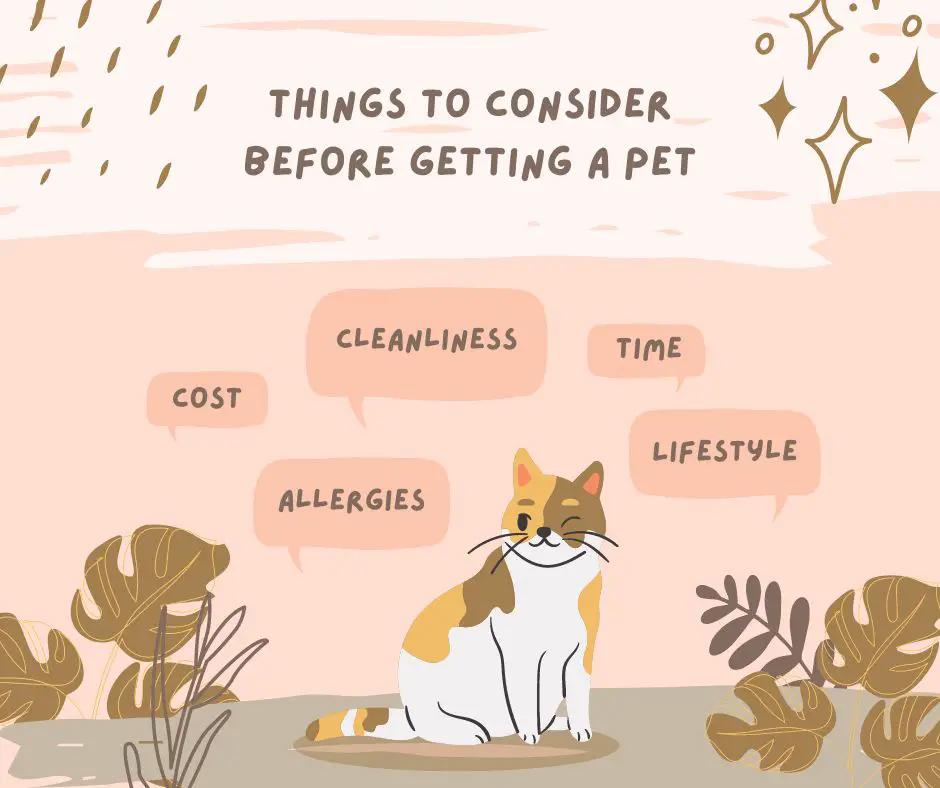
Budget Considerations
When it comes to bringing a new pet into your life, it’s important to consider the financial aspect of taking home a new pet.
While pets can bring us joy, love, and companionship, they can also come with significant expenses.
Let’s discuss some key financial considerations you should keep in mind when thinking about getting a pet.
Upfront Costs
The first expense to consider is the upfront cost of bringing your new pet home.
This may include adoption fees, purchase fees, or fees for any necessary supplies like a crate, litter box, or toys.
It’s important to budget for these costs ahead of time to make sure that you’re financially prepared to take on a new pet.
Ongoing Expenses
Once you bring your pet home, you’ll need to make a budget for ongoing expenses.
This can include food, grooming, toys, and other supplies.
You’ll also need to budget for regular veterinary care, including annual checkups, vaccinations, and preventative care like flea and tick medication.
These ongoing expenses can add up quickly, so it’s important to factor them into your monthly costs.
Emergency Care
Another important financial consideration is emergency care.
Unfortunately, pets can sometimes get sick or injured unexpectedly, and emergency veterinary care can be very expensive.
It’s important to be prepared for these situations by budgeting for emergency care or considering pet insurance.
Personally, with all the pets I have owned, I have run into emergency expenses more times than I would ever like to experience.
Having a pet emergency fund is not a bad idea!
Financial considerations are an important part of pet ownership.
So take the time to consider the upfront costs, ongoing expenses, and emergency care.
This way you can make sure that you’re financially prepared and able to afford to give your new pet what they need and deserve.
Lifestyle Considerations
There are a number of lifestyle considerations you’ll need to take into account when deciding to get a pet.
Let’s go over the key lifestyle factors you should keep in mind.
Available Space
One of the first things to consider is whether you have enough space to accommodate having a pet.
Different animals have different space requirements, so it’s important to choose a pet that will be comfortable in your home.
If you’re thinking about getting a dog, for example, you’ll need enough space for them to move around and play, both indoors and outdoors.
While a horse would need even more space, basically acres of land to live on. Though you could board your horse at a farm if you don’t have the land for one.
On the other hand, cats are generally more adaptable to small living spaces. And a fish or reptile would be confined to a tank.
So they may be a better choice if you live in an apartment or have limited indoor space.
Time Commitment
Another important lifestyle consideration is the amount of time you have available to spend with your pet.
Dogs, in particular, require a lot of attention and exercise, so you’ll need to be prepared to spend time walking, playing, and training your furry friend.
A parrot, which you may find surprising, needs a lot of attention and time out of the cage, playing and getting social interaction.
Cats, while generally less demanding than dogs and birds, still require daily interaction and playtime.
Horses are a lot of work and take a lot of time to care for but there are alternatives. I mentioned boarding before, they can also take full care of your horse.
This reduces your time commitment but your horse still needs to be groomed, trained and exercised regularly.
Before getting a pet, think about how much time you can realistically commit to their care and make sure you’re prepared to meet their needs.
“Pets are not a convenience, they are a commitment.”
– Anonymous
Family Dynamics
Finally, it’s important to consider how a new pet will fit into your family dynamics.
If you have children, for example, you’ll want to choose a pet that is gentle and patient with kids.
If you already have other pets, you’ll need to make sure your new addition will get along well with your current furry family members.
Additionally, if you or someone in your household has allergies or other health concerns, you’ll need to choose a pet that is hypoallergenic or at least compatible with whatever your needs are.
By taking these lifestyle considerations into account, you can ensure that you choose a pet that is the right fit for your home and family. Remember, being a responsible pet owner means providing your furry friend with the love, attention, and care they need to thrive.
Health Considerations
As you consider getting a pet, it’s important to take their health and the health of the household into account.
This includes factors like allergies in the household, the medical needs of the pet, and life expectancy.
By understanding these factors, you can make sure that you’re choosing a pet that’s a good fit for you and your lifestyle.
Allergies
Firstly, allergies are a common concern for pet owners. This basically goes back to the family dynamics consideration I mentioned before.
If you or someone in your household has allergies, it’s important to research hypoallergenic breeds or consider getting a pet that doesn’t shed as much.
This can help reduce the likelihood of triggering allergies and make your home a more comfortable environment for everyone.
Medical Needs
Secondly, it’s important to consider the medical needs of your potential pet.
Different pets require different levels of medical care, so it’s important to research the type and breed of animal to understand any potential health concerns.
For example, some animals are prone to certain health conditions, like hip dysplasia in large dogs or respiratory issues in flat-faced cats.
It’s important to consider the potential costs of medical care, including routine check-ups and any unexpected medical expenses.
Life Expectancy
Lastly, it’s important to consider the life expectancy of the pet you’re considering.
Different animals can have a wide range of lifespans, so it’s important to be prepared for the long-term commitment of being a pet parent.
For example, cats typically live between 12-16 years, while dogs can live anywhere from 7-20 years depending on the breed.
Birds and Parrots can live from 15-80 years depending on the species and horses can live to 20-30 years.
Understanding the lifespan of your potential pet can help you plan for their long-term care and help you decide whether you’re able to provide for them throughout their entire life.
So when you consider getting a pet, take their health into account.
Whether you need to research hypoallergenic breeds for allergies in your house, make sure you understand the potential medical needs, and remember to consider the life expectancy of the pet you’re considering.
Once again these things will help you when deciding whether you should get a pet and if so which kind.
Pros and Cons of Pet Ownership
There’s nothing quite like coming home to a wagging tail, eager nicker, happy meow, or excited squawk to make you feel loved and appreciated.
But, as much as I adore my pets, I know that there are also downsides to pet ownership that can’t be ignored.
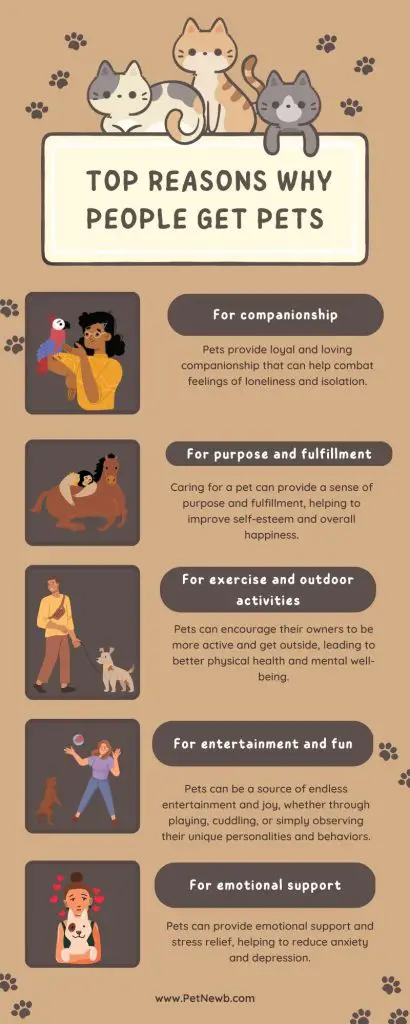
Let’s explore the pros and cons of pet ownership. I created a infographic as well of the top reasons people get pets, which you can see right below.
Whether you’re a longtime pet lover or someone who’s just considering taking the plunge, I hope I can give you a better sense of what pet ownership really entails. So, let’s dive in!
Pros of Pet Ownership
As I mentioned before owning a pet can be an incredibly rewarding experience.
Let’s go over a few of the benefits you can expect.
Companionship and Emotional Support
One of the most obvious benefits of pet ownership is the companionship and emotional support that pets can provide.
Whether you live alone or have a lively household, having a pet friend around can help alleviate feelings of loneliness, depression, and anxiety.
If you need someone to cuddle with, a pet can be a wonderful source of comfort and joy.
Also, pets are also great listeners even if they have no idea what you are saying besides the occasional word around toys, food, or things that they like.
They are always ready to offer unconditional love and support, no matter what’s going on in your life.
Increased Physical Activity
If you’re someone who struggles to get enough exercise, some types of pets can be a great way to motivate yourself to move more.
Dogs, in particular, require regular walks and playtime, which can help you stay active and improve your cardiovascular health.
Even if you have a more low-key pet, like a cat or a rabbit, playing with them can still get your heart rate up and provide some much-needed physical activity.
Even cleaning cages, and caring for animals every day leads to more movement.
If you really want to get some exercise get a couple of horses. Between grooming, riding, turning the horses in and out, dumping and scrubbing waters, and mucking stalls, your exercise level will surely increase.
Plus, spending time outside with your pet can be a great way to get some fresh air and soak up some Vitamin D.
Opportunities for Learning and Growth
Owning a pet can also be a great opportunity for learning and growth.
For children, taking care of a pet can teach important lessons about responsibility, empathy, and respect for other living creatures.
Even for adults, owning a pet can provide a chance to learn new skills and knowledge, such as how to train a dog, how to care for a reptile, or about animal behavior.
Socialization
Pets can also be a great way to socialize with others.
Whether you’re meeting fellow dog owners at the park or chatting with your cat-loving neighbor, pets can help break down barriers and facilitate connections.
There are also clubs, events, as well as online forums, and groups all geared toward specific pet owners. Pet communities you can become a part of.
And if you’re someone who struggles with social anxiety, having a pet can provide a comforting presence, help ease your nerves in social situations and give you something to focus on and talk about.
Sense of Purpose
Lastly, owning a pet can give you a sense of purpose and fulfillment.
When you take care of a pet, you’re responsible for another living being’s well-being.
Giving your pet their best life can really give you a sense of accomplishment and meaning that can be hard to find elsewhere.
The companionship, physical activity, personal growth, and socialization, a pet can offer can make a great addition to your life.
Of course, it’s important to keep in mind that owning a pet also comes with its fair share of challenges, which we’ll explore next.
Cons of Pet Ownership
While owning a pet can be incredibly rewarding, it’s important to acknowledge that there are also downsides to pet ownership.
I mentioned at the beginning of this article some considerations which could be considered cons, such as financial and time commitments.
Now let’s look at a few more common cons to consider.
Responsibility and Loss
When you bring a pet into your life, you’re taking on a big responsibility.
Pets require daily care, including feeding, exercise, socialization and veterinary checkups.
They can also be expensive, particularly if they develop health problems or require special diets or medications.
And, unfortunately, the reality of pet ownership is that you’ll likely have to say goodbye to your furry friend at some point.
Dealing with the loss of a pet can be incredibly difficult, and it’s important to be prepared for the emotional toll it can take.
Behavioral Issues
Just like people, pets can have behavioral issues that can be frustrating to deal with.
They may chew on furniture or your house, bark/meow/squawk excessively, or refuse to use their litter box.
They may not be well-behaved with visitors.
Addressing these issues can require time, money, and patience, and may involve working with a professional trainer or behaviorist.
Mess and Odor
Pets can be messy creatures, especially when they’re young, messy pet in general or not fully trained.
They may have accidents in the house, shed fur all over your furniture and clothes, or track mud and dirt inside.
If you have a bird they may leave poop wherever they go and pellets/seeds all over the floor around their cage.
And, let’s face it, many pets can also be smelly!
Regular grooming and cleaning can help mitigate some of these issues, but it’s important to be prepared for the extra work involved in keeping your home clean and fresh.
Travel Limitations
When you own a pet, you’ll need to take their needs into account when planning trips and vacations.
Depending on the type of pet you have, you may need to arrange for a pet sitter, board your pet, or bring them along with you.
This can be a hassle and an additional expense, which may limit your travel options.
Housing Restrictions
Finally, it’s important to note that some types of housing may not be pet-friendly.
If you rent, you may need to pay extra fees or deposits to have a pet in your home, and you may be limited in the types of pets you can have.
If you’re looking to buy a home, you’ll need to consider whether the property is suitable for your pet and whether you’ll need to make any modifications to accommodate them.
Damage to Property
Finally, pets can also cause damage to your property.
From scratching up furniture to digging holes in the yard, pets can be tough on your home and belongings.
Cough… cough… my birds! They like to chew wood frames around the house, wires, and anything that looks fun to chew.
These are just a few of the cons to consider before bringing a pet into your life.
However, with careful planning and preparation, many of these challenges can be overcome, and the joys of pet ownership can far outweigh the downsides.
Types of Pets to Consider
Choosing the right pet can be overwhelming with so many options to consider.
From furry companions to scaly ones, there are plenty of animals that can become great additions to your family.
Growing up, my family had all kinds of pets. I got to explore many types and learned that each one has its unique characteristics and needs.
Now let’s look at the different types of pets available, their care needs, and what to expect when you bring them into your home.

Dogs
If you’re considering getting a dog, you’re not alone. Dogs make great companions, and there’s a reason they’re often referred to as “man’s best friend.”
However, before you bring a furry friend into your home, it’s important to learn about the different breeds and their characteristics.
Types Of Dog Breeds
There are hundreds of dog breeds out there, each with their unique traits and personalities.
For example, some breeds are known for their loyalty and protective nature, while others are more laid-back and friendly.
It’s important to do your research and find a breed that fits your lifestyle and personality.
Training and Socialization Needs
Once you’ve selected a breed, it’s time to start thinking about training and socialization.
Dogs are packed animals and need to learn how to behave around other dogs and people.
Socialization helps dogs learn how to interact with others and can prevent aggressive behavior.
Training is also important for teaching your dog basic commands, such as sit, stay, and come.
It’s essential to start training your dog as early as possible to ensure they become well-behaved and obedient pets.
Exercise Requirements
Finally, it’s important to consider the exercise needs of your dog.
Different breeds have different exercise requirements, so it’s important to choose a breed that fits your lifestyle.
Some breeds require a lot of exercise, while others are happy with a daily walk around the block.
Dogs make wonderful pets, but it’s important to choose the right breed and provide them with the necessary training, socialization, and exercise.
By doing so, you’ll be rewarded with a loyal and loving companion that will bring joy to your life for years to come.

Cats
Cats are one of the most popular pets in the world, and for good reason!
They’re adorable, independent, and make great companions.
If you’re considering adding a cat to your family, here’s what you need to know:
Types of Breeds and Characteristics
There are dozens of cat breeds to choose from, each with its unique characteristics.
Some breeds are more active and playful, while others prefer to lounge around the house.
Some are long-haired, while others are short-haired.
Some breeds are more prone to health issues than others.
Do your research to find a breed that matches your lifestyle and personality.
Litter Box Training
One of the most significant advantages of having a cat as a pet is that they are naturally clean animals.
However, litter box training is still an essential part of cat ownership.
Cats instinctively know how to use a litter box, but they may need guidance in the beginning.
Show your cat where the litter box is located and encourage them to use it.
Make sure to clean the litter box regularly to keep your cat happy and healthy.
Exercise and Play Needs
Cats may be known for their laziness, but they still need exercise and playtime to stay healthy and happy.
Provide your cat with plenty of toys to play with, such as balls, feathers, and string toys.
Interactive toys that encourage your cat to chase and pounce are especially beneficial.
Also, consider investing in a cat tree or scratching post to give your cat a place to climb and scratch.
Regular playtime will help prevent behavior problems and keep your cat mentally and physically stimulated.
Cats make wonderful pets that are relatively easy to care for.
With the right breed choice, proper litter box training, and plenty of playtime, your cat will be a happy and healthy member of your family.
So, if you’re considering adding a feline friend to your household, be sure to keep these tips in mind.

Horses
Horses can be wonderful pets, but they’re not for everyone.
They require a lot of care and attention, and owning one is a significant financial and time commitment.
However, if you’re willing to put in the effort, a horse can be a rewarding and fulfilling companion.
Expertise Needed
Before you consider getting a horse, it’s essential to have some expertise in horse care. Horses are large animals, and they can be dangerous if you don’t know how to handle them properly. Ideally, you should have some experience riding or working with horses before you take on the responsibility of owning one.
Care Needs
Once you have a horse, you’ll need to provide them with proper care. Horses need daily exercise, feeding, and grooming. They also require regular veterinary checkups, vaccinations, and dental care. Depending on where you live, you may need to provide shelter and protection from extreme weather conditions.
Financial Commitment
Owning a horse is a significant financial commitment. The cost of purchasing a horse can range from a few thousand dollars to tens of thousands of dollars. You’ll also need to pay for feed, veterinary care, farrier services (hoof care), and equipment such as saddles, bridles, and blankets. And don’t forget about the cost of boarding if you don’t have land of your own.
In addition to the basic expenses, unexpected veterinary bills can also add up quickly. Horses are prone to injuries and illnesses, and treatment can be expensive. It’s essential to have a financial plan in place before you get a horse to ensure that you can provide for them properly.
Owning a horse can be a wonderful experience, but it requires expertise, a fair amount of care, and a significant financial commitment.
So, if you’re willing to put in the time, effort, and resources required to care for a horse properly, owning one can be a life-changing experience that you won’t regret.
Small Pets
If you’re looking for a pet that doesn’t take up too much space or requires a lot of maintenance, small pets might be the perfect fit for you.
They come in many shapes and sizes, from cute and cuddly to exotic and fascinating.
Let’s take a closer look at some of the most popular small pets you can consider.

Guinea Pigs and Ferrets
Guinea pigs and ferrets are both social animals that love to interact with their owners.
Guinea pigs are known for their cute squeaks and cuddly nature, while ferrets are more mischievous and playful.
Both require a moderate amount of attention and care, including regular cleaning of their cages and providing a balanced diet.

Gerbils, Hamsters, and Mice
Gerbils, hamsters, and mice are great options if you’re looking for a low-maintenance pet that’s fun to watch.
They are active and playful and can be kept in groups, making them perfect for children or families.
These small animals are easy to care for and require little space, but they do need regular exercise and stimulation to stay healthy and happy.

Bunnies
Bunnies are adorable and make great indoor pets.
They are social animals that love to be around people and can be easily litter trained.
Bunnies require a balanced diet of hay, pellets, and fresh vegetables, as well as regular exercise to keep them healthy and happy.
Keep in mind that bunnies can live for up to 10 years, so they are a long-term commitment.
Birds
Birds are fascinating creatures that come in a variety of sizes and colors.
Some bird species can even learn to talk!
They require a bit more attention than other small pets, as they need regular interaction and stimulation to thrive.
Depending on the species, birds may require a specific diet and environment, so be sure to do your research before bringing one home.

Reptiles
Reptiles are unique and fascinating pets that require a bit more expertise and care than other small pets.
They can be low-maintenance but require specific environmental conditions to stay healthy.
Be sure to research the specific needs of each reptile species before bringing one home.
Popular pet reptiles include bearded dragons, geckos, and snakes.

Aquatic Pets
Aquatic pets, such as fish and turtles, are perfect for those who love a serene and relaxing atmosphere in their homes.
Fish tanks can be a beautiful addition to any room and can help reduce stress levels.
Turtles are also popular aquatic pets that require specific living conditions and a balanced diet.
Insects
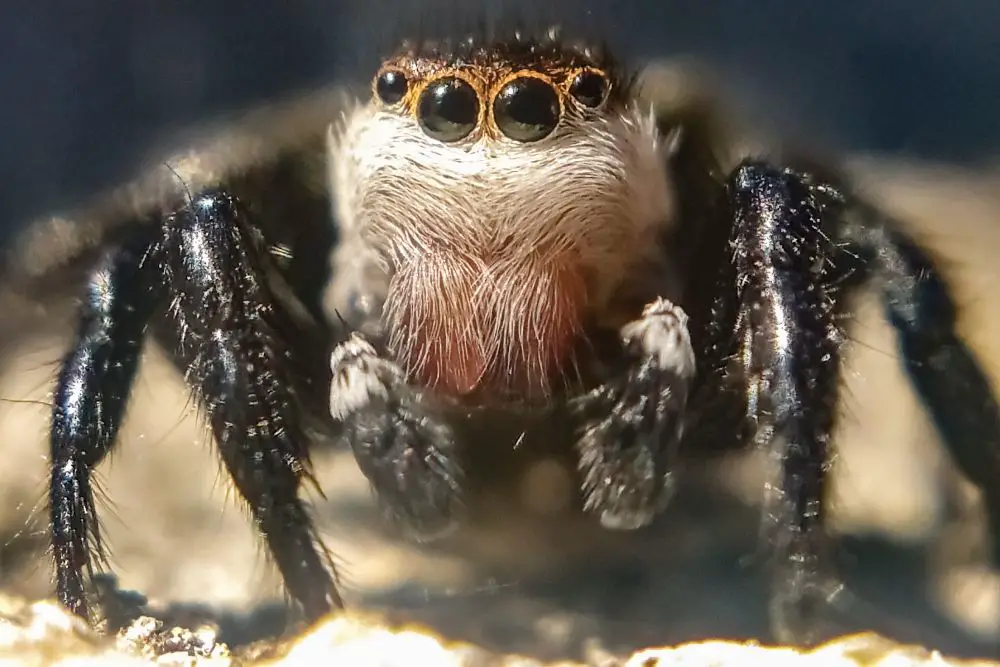
Insects are not for everyone, but they can make fascinating and low-maintenance pets for those who are interested.
Popular pet insects include crickets, tarantulas, and beetles.
Keep in mind that insects require a specific living environment and diet, and some can be dangerous if not handled properly.
Small pets come in many varieties and can make great companions for people of all ages.
Whether you’re looking for a low-maintenance pet or one that requires more attention, there is a small pet out there for you.
Just be sure to do your research and understand the specific needs of each pet before bringing them home.
Adopting vs. Buying a Pet
One of the big questions you’ll likely face is whether to adopt or buy your new pet.
It’s another decision that comes with pros and cons, and it can be challenging to know which choice is right for you.
Let’s take a closer look at the benefits and drawbacks of adopting vs. buying so you can feel content with your choice.
Pros and Cons of Adoption
| Pros | Cons |
|---|---|
| You’re giving a home to an animal in need | May not find the exact breed or type of animal you’re looking for |
| Pets may come with basic training | Higher risk of behavioral or health issues |
| Adoption fees are usually lower than buying from a breeder or pet store | Some pets may have a history of abuse or neglect |
| You’ll be supporting the mission of the shelter or rescue organization | May be less predictable in terms of temperament or behavior |
Pros and Cons of Buying
| Pros | Cons |
|---|---|
| Can find exactly the breed, color, and age of pet you’re looking for | Pets from breeders or pet stores can be expensive |
| More information about the animal’s health history and lineage | Additional costs associated with veterinary care, vaccinations, and training |
| Reputable breeders breed for specific traits and temperaments | Some breeders prioritize aesthetics over health, which can result in animals with genetic health problems |
| Wider selection of pets to choose from | May contribute to pet overpopulation if not from a responsible breeder |
Additional points to consider for adoption:
- Adoption fees typically include spaying/neutering, microchipping, and vaccinations, which can save you money in the long run.
- Many shelter pets are already house-trained, making the transition to your home easier.
- You may be able to find purebred animals at shelters or rescues, especially if you’re willing to wait for the right match.
Additional points to consider for buying:
- Some breeders offer health guarantees, which can provide peace of mind.
- You can choose the pet’s age, which may be important if you’re looking for a puppy or a senior pet.
- Some breeders offer ongoing support and training resources.
It’s important to consider all of these factors when deciding whether to adopt or buy a pet.
But remember, regardless of where you get your pet, providing a loving home and proper care is crucial for their health and happiness.

Pet Care Responsibilities
If you decide to become a pet owner, it’s up to you to ensure that your furry, feathery or scaly companions is happy, healthy, and well-cared for.
From feeding and exercise to grooming and medical care, there are many different aspects of pet care that require our attention.
So let’s discuss some of the key responsibilities that come with being a pet owner.
Feeding and Nutrition
Feeding your pet a balanced and nutritious diet is essential to their overall health and wellbeing.
Providing the right amount of food, at the right time, can help prevent obesity, digestive issues, and other health problems.
It is best to consult with your veterinarian to determine the best diet for your pet based on their age, type and breed of animal, and any medical conditions they may have.
Exercise and Play
Pets need regular exercise and playtime to stay healthy and happy.
Daily walks, interactive toys, and games of fetch, dancing, chase or peakaboo are all great ways to keep your pet active and engaged.
Of course this will all depend on the type of pet you have.
My birds like when I do dancing, peakaboo and hide and seek where they try to find me.
Not only does exercise help prevent obesity and other health problems, but it can also improve your pet’s behavior and mental wellbeing.
Grooming and Hygiene
Regular grooming and hygiene are essential for maintaining your pet’s health and appearance.
This includes bathing, brushing, nail trimming, and dental care.
If you have birds, possibly wing clipping, preening and beak filing.
Not only does grooming help prevent skin irritations and infections, but it also helps keep your home clean and free of pet hair.
Medical Care and Vaccinations
Regular medical care, including routine check-ups and vaccinations, is essential to your pet’s overall health and wellbeing.
Annual check-ups can help catch and treat health problems early on, while vaccinations can prevent a wide range of diseases.
Make sure to follow your veterinarian’s recommended schedule for check-ups and vaccinations.
Not every pet will need a vaccine. But dogs, cats and horses commonly do.
Training and Socialization
Training and socialization are essential for developing a strong bond with your pet and ensuring they are well-behaved and socialized.
Basic obedience training can help prevent behavioral issues, while socialization can help your pet feel more comfortable around other animals and people.
You would be surprised by the amount of animals are able to be trained.
I actually taught one of my beta fish named Aragon to jump out of the water like a dolphin to get a peice of food. And he would also swim over to the front of the tank when I would call his name.
Recently I saw a video on Facebook of a girl who trained her bearded dragon to come when called, and even to wait to eat his food until she said he could. I was impressed.
Pet care responsibilities are multifaceted and require a lot of attention to detail.
By providing proper nutrition, exercise, grooming, medical care, and training, you can ensure that your pet companion is healthy, happy, and well-cared for.
Remember each pet will have varying care responsibilities and make sure to consult with your veterinarian regularly to ensure you’re providing the best possible care for your pet.

Alternatives to Pet Ownership
Are you someone who loves animals but is unable to keep a pet at home?
Maybe you’re allergic to pet dander, live in a rental property with no pets allowed, or simply don’t have the time or resources to commit to a furry friend.
Whatever the reason may be, I understand that it can be tough to feel like you’re missing out on the joys of pet ownership.
But fear not, because there are actually plenty of alternatives to having a pet that can still bring joy and fulfillment into your life!
Whether you want to interact with animals directly or enjoy them virtually, there are options out there that can help you scratch that pet-loving itch.
So let’s dive in and find the perfect pet-free solution for you!
Volunteering
Volunteering at animal shelters, rescue organizations, or fostering programs can be a fantastic alternative for you!
Animal shelters and rescue organizations are always in need of dedicated volunteers to help care for the animals in their facilities.
This can involve tasks like feeding, cleaning, and playing with the animals, as well as helping with adoption events and other fundraising efforts.
By volunteering, you not only get to spend time with adorable pets, but you also help support a worthy cause and make a difference in the lives of animals in need.
Fostering
If you’re looking for a longer-term commitment, fostering may be the perfect option for you.
Fostering involves providing a temporary home for an animal until they are adopted, which can range from a few weeks to several months.
This is especially important for animals who may not do well in a shelter environment, such as puppies, kittens, or animals recovering from an illness or injury.
Fostering can be a deeply rewarding experience, as you get to provide love and care to an animal in need, while also preparing them for their forever home.
There are also specific fostering programs that allow you to foster animals with special needs.
For example, some organizations may have programs for senior pets, animals with medical conditions, or animals who need to be socialized before they can be adopted.
By fostering these animals, you can provide them with the specialized care and attention they need to thrive.
Pet Sitting and Dog Sitting
If you’re someone who loves spending time with animals but can’t commit to owning a pet, then pet-sitting or dog walking might be the perfect alternative for you!
Not only do you get to hang out with some furry friends, but you also get paid for it.
There are several different options when it comes to pet-sitting and dog walking. Let’s take a look at each one.
Pet-Sitting Services
These are companies that specialize in providing in-home pet care services.
You can sign up as a pet-sitter with one of these companies and they’ll match you with clients in your area who need someone to take care of their pets while they’re away.
You’ll typically be responsible for things like feeding, playing with, and walking the pets, as well as administering any necessary medication.
The company will take care of setting up the appointments and handling payments, so all you have to do is show up and take care of the animals.
Dog Walking Services
Similar to pet-sitting services, dog walking services are companies that specialize in providing dog walking services to pet owners in your area.
As a dog walker, you’ll typically be responsible for taking the dogs on walks around the neighborhood, making sure they get plenty of exercise and fresh air.
Some dog walking services also offer additional services like feeding and administering medication, so you may be asked to do those things as well.
Freelance Pet-Sitters
If you prefer to work on your own terms, then freelance pet-sitting might be the way to go.
You can advertise your services online or through word of mouth, and find clients in your area who need someone to take care of their pets.
The benefit of freelance pet-sitting is that you have more control over your schedule and rates.
But you’ll also need to handle all the administrative tasks like scheduling appointments and handling payments.
No matter which option you choose, pet-sitting and dog walking can be a fun and rewarding way to spend time with animals.
Virtual Pet Ownership & Communities
Are you an animal lover who can’t have a pet of your own?
Or do you have a child who really wants a pet but your not sure you want to commit to one?
Whatever your situation may be, virtual pet ownership could be the perfect solution for you or your kids that are adamant about wanting a pet!
Let’s go over some popular options.
Virtual Pet Apps
There are apps that allow you to “adopt” and care for a virtual pet on your smartphone or tablet.
Some popular virtual pet apps include:
- My Virtual Pet Dog: Pug Louie
- My Talking Tom
- Floof – My Pet House
- Pet Idle.
Online Pet Games
These are games that allow you to interact with virtual animals in a fun and engaging way.
Some popular online pet games include:
- Webkinz
- Moshi Monsters
- virtual-pet-game
- Neopets
Even one for desktop with a chrome extension called MetaPals.
Sims 3 Pets is a fun game, where you can have all kinds of pets and one of my favorites available on Steam.
Digital Pet Communities
These are online communities where you can connect with other animal lovers and share your love of pets.
These are also good places to ask questions about pets that you can’t find answers to.
Some popular digital pet communities include:
- Reddit’s r/Pets
- petforums.com
- paw-talk.net
Virtual pet games are great for kids and sometimes even adults to experience the joys of pet ownership without you having to commitment or pay for expenses of having a real pet.
So whether you’re looking for a way to pass the time, connect with other animal lovers, or simply enjoy the company of a virtual pet, the virtual space has something for everyone.

FAQs About Getting A Pet
Q: Are you happier if you have a pet?
A: Studies have shown that owning a pet can have many mental health benefits, including reducing stress and anxiety, increasing feelings of happiness and well-being, and providing a sense of purpose and companionship.
Q: What are the downsides of owning a pet?
A: Some of the downsides of pet ownership include the cost of food, veterinary care, and other expenses, the responsibility of daily care and attention, the need to find pet-friendly housing, and the potential for allergies or other health issues.
Q: Do you live longer if you own a pet?
A: Some studies have suggested that owning a pet may be associated with longer life expectancy, possibly due to the positive effects on mental and physical health that pet ownership can provide.
Q: What is the best age for a kid to get a first pet?
A: The best age for a child to get their first pet depends on the individual child’s maturity level and ability to take on responsibility.
Generally, children who are at least six years old and have shown an interest in animals and a willingness to help care for them can be good candidates for pet ownership.
Q: What is the easiest pet to take care of?
A: Beta fish are often considered one of the easiest pets to take care of, as they require minimal maintenance and can thrive in small tanks or bowls.
Q: What pets are good for depression?
A: Dogs are often recommended for individuals with depression, as they can provide emotional support, companionship, and a sense of purpose and routine.
Q: What is the friendliest small pet?
A: Rats are often considered some of the friendliest small pets, as they are intelligent, social, and can be trained to do tricks.
Q: What is the best pet for anxiety?
A: Cats are often recommended for individuals with anxiety, as they can provide a calming presence and require minimal attention and maintenance.
Do you still want a pet and if so what kind? Let us know in the comments!
-Kacey
P.S. Did you like this article? Leap on over to:
- 5 Best Pet Blogs For 2022
- How To Introduce & Train Your Dog To Get Along With Your Pet Birds
- 11 Basic Dog Commands Your Dog Should Know
- All About Cockatiel Birds: A Comprehensive Guide