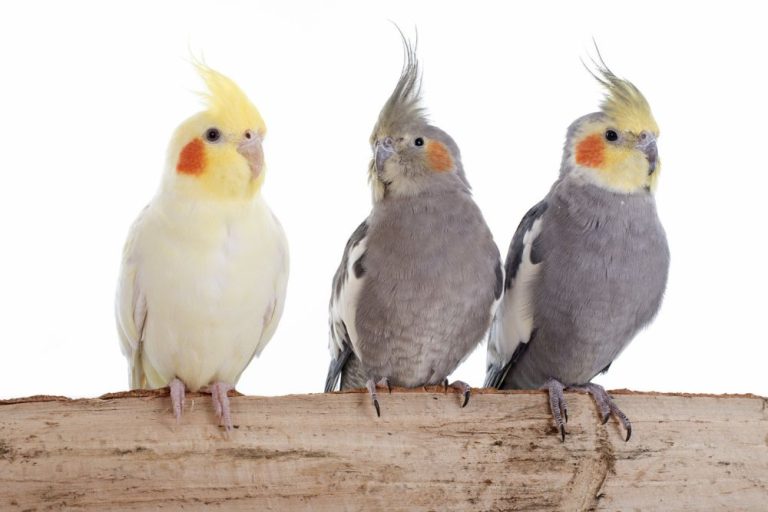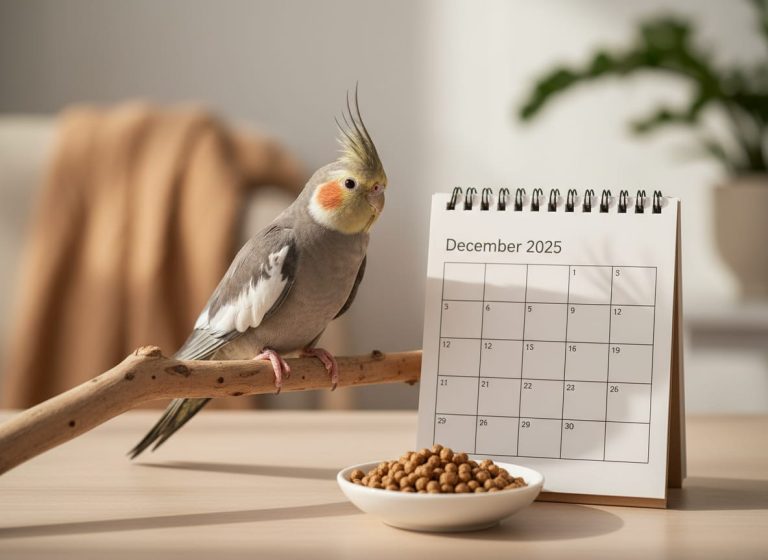
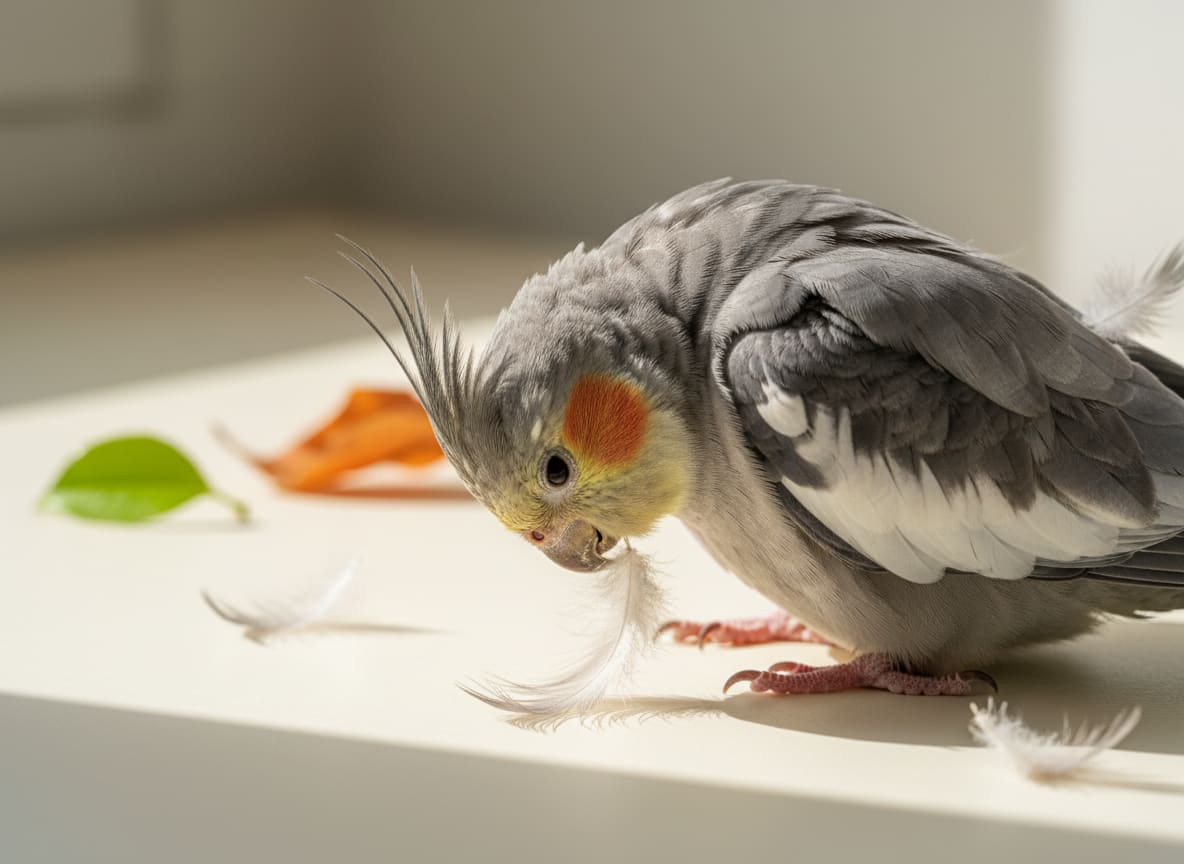
Have you ever wondered when cockatiels molt? Understanding the times of the year and seasons when molting occurs can help ensure the health and happiness of your feathered friend.
Factual data: Cockatiels molt at least once a year, typically during spring or summer when temperatures are warmer. Molting is a normal process in which birds shed their old feathers and grow new ones. The molt can last up to three months, during which birds may exhibit grumpiness, decreased activity, and increased food consumption.
Cockatiels may molt multiple times a year in warmer climates. It is important to provide a balanced diet with adequate protein and fat to support healthy molting. Abnormal molting could indicate nutritional deficiencies, diseases, stress, or parasites, and should be evaluated by a vet. During molting, feathers are replaced and pin feathers, which are new and healthy, emerge.
Care should be taken when grooming pin feathers around the head. Molting is not painful for birds, but they can feel itchy as feathers grow back. Overall, molting is a natural process that helps birds develop and maintain their plumage.
Key Takeaways On Time Of Year Cockatiels Molt:
- Cockatiels molt at least once a year, typically during spring or summer.
- Molting is a normal process that allows birds to shed old feathers and grow new ones.
- The molt can last up to three months and may cause birds to exhibit grumpiness, decreased activity, and increased food consumption.
- Cockatiels in warmer climates may molt multiple times a year.
- A balanced diet with adequate protein and fat is essential for healthy molting.
What is Molting and Why Do Cockatiels Molt?
Molting is a natural process in which cockatiels shed their old feathers and grow new ones, playing a crucial role in maintaining their plumage. This regular feather replacement keeps their feathers healthy, strong, and vibrant. As feathers age, they become worn and damaged, affecting the bird’s ability to fly, regulate body temperature, and even display their beautiful colors. Molting allows for the continuous growth of fresh feathers, ensuring birds can thrive in their natural environment.
During molting, cockatiels undergo a process known as feather regeneration. This involves the shedding of old feathers and the growth of new ones from specialized structures called follicles. The growth of new feathers is a complex process that requires a significant amount of energy and nutrients. As a result, cockatiels may exhibit changes in behavior and dietary needs during this time.
“Molting allows for the continuous growth of fresh feathers, ensuring birds can thrive in their natural environment.”
One of the key reasons cockatiels molt is to replace old and damaged feathers. Feathers can become frayed, faded, or even tattered due to normal wear and tear or external factors such as exposure to sunlight or harsh weather conditions. Molting provides an opportunity for the bird to shed these worn-out feathers and replace them with new ones that are stronger and better suited to their needs.
Molting also plays a role in maintaining the insulating properties of a bird’s plumage. Feathers help regulate body temperature by trapping air close to the bird’s skin, providing insulation against the cold. By molting, cockatiels ensure that their feathers remain intact and effective in providing this vital insulation, especially during the colder months.
| Point | Explanation |
|---|---|
| Feather Regeneration | Shedding of old feathers and growth of new ones from specialized structures called follicles. |
| Frayed and Damaged Feathers | Molting allows cockatiels to replace old, frayed, and damaged feathers with stronger and more vibrant ones. |
| Insulation | Molting ensures that the bird’s plumage remains effective in providing insulation against cold temperatures. |
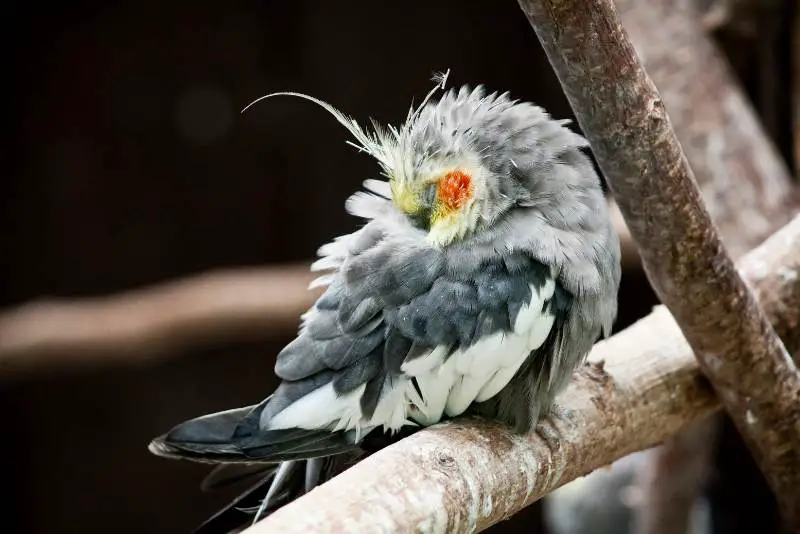
When Do Cockatiels Typically Molt?
Cockatiels usually molt at least once a year, commonly during spring or summer when temperatures are warmer. Molting is a natural process in which birds shed their old feathers and grow new ones. It is an essential part of their feather maintenance and growth.
During molting, the old feathers gradually fall out, making way for the new ones to emerge. The duration of the molt can vary, but it typically lasts up to three months. During this time, you may notice some changes in your cockatiel’s behavior. They may appear grumpy or less active than usual, and their appetite may increase due to the energy needed for feather growth.
In warmer climates, cockatiels may molt multiple times a year. This is because the consistent higher temperatures can trigger additional molting cycles. However, in regions with distinct seasons, it is more common for cockatiels to experience a single molt annually.
To ensure a healthy molt, it is important to provide your cockatiel with a balanced diet that includes adequate protein and fat. These nutrients are crucial for the development of strong and vibrant feathers. Offering a variety of fresh fruits, vegetables, seeds, and high-quality pellets will help support their overall feather health.
| Molting Tips: |
|---|
| ✓ Provide a varied diet rich in protein and fat. |
| ✓ Ensure access to fresh water at all times. |
| ✓ Offer mineral blocks or cuttlebone to provide additional calcium. |
| ✓ Keep the environment clean and stress-free. |
| ✓ Seek veterinary advice if you notice any abnormal molting patterns or signs of distress. |
It’s important to note that abnormal molting could indicate underlying issues such as nutritional deficiencies, diseases, stress, or parasites. If your cockatiel’s molt seems excessive, prolonged, or if they display signs of discomfort, it is recommended to consult with an avian veterinarian for a proper diagnosis and treatment.
In conclusion, understanding when cockatiels molt is essential for their overall well-being. By providing a balanced diet, a stress-free environment, and monitoring their molting patterns, you can support your feathered friend through this natural process, helping them maintain healthy and beautiful feathers.
Duration and Signs of Molting in Cockatiels
Molting in cockatiels can last up to three months, during which you may observe signs such as grumpiness, decreased activity, and increased food consumption. This natural process is essential for the growth and maintenance of their feathers. As old feathers are shed, new ones emerge, helping birds maintain their plumage and overall health.
During molting, you may notice changes in your cockatiel’s behavior. They may become a bit more irritable or moody, which is perfectly normal. It’s important to be patient and understanding during this time, as they may need some extra care and attention.
In addition to changes in behavior, you may also observe physical signs of molting. New feathers, known as pin feathers, will start to emerge. These pin feathers are covered by a protective sheath, which needs to be groomed and removed by the bird as part of the molting process. Be gentle when grooming around the head area, as it is particularly sensitive.
To help alleviate any itchiness that your cockatiel may experience during molting, you can provide them with a shallow dish of lukewarm water for bathing. This can help soothe their skin and feathers. It’s important to monitor your bird’s behavior and health throughout the molting process to ensure everything progresses smoothly.
| Signs of Molting in Cockatiels |
|---|
| Grumpiness |
| Decreased activity |
| Increased food consumption |
| New pin feathers emerging |
Factors Influencing Multiple Molts in Cockatiels
In warmer climates, cockatiels may molt multiple times a year due to the environmental conditions. The longer periods of sunshine and higher temperatures can stimulate molting more frequently than in cooler regions. When the seasons change, cockatiels adapt to their surroundings, and this can trigger molt.
Cockatiels are native to Australia, where they experience a mild climate throughout the year. In their natural habitat, these birds molt twice a year, typically during spring and autumn. However, in warmer climates, such as certain regions in the United States, cockatiels may experience more frequent molting patterns.
Molting occurs as a response to changes in light and temperature. These factors influence hormone production in cockatiels, which in turn affects their feather growth cycle. Therefore, in warmer climates, where there are longer periods of sunlight and higher temperatures, cockatiels may molt multiple times a year.
| Factors Influencing Multiple Molts in Cockatiels: |
|---|
| Longer periods of sunshine |
| Higher temperatures |
| Changes in light and temperature |
| Influence on hormone production |
| Affects feather growth cycle |
It’s important to understand and monitor the molting patterns of your cockatiel in order to provide appropriate care and support. During molting, birds may experience some discomfort and exhibit signs such as grumpiness, decreased activity, and increased food consumption. It is crucial to provide a balanced diet rich in protein and fat to facilitate healthy feather growth.
If you notice any abnormalities in your cockatiel’s molting process, such as excessive feather loss, prolonged molting periods, or signs of distress, it is advisable to consult a avian veterinarian. These abnormalities could indicate underlying health issues, including nutritional deficiencies, diseases, stress, or parasites. A vet can help identify the cause and provide appropriate treatment if necessary.
Remember, molting is a natural process that helps cockatiels develop and maintain their beautiful plumage. By understanding the factors that influence molting and providing the necessary care, you can ensure your feathered friend stays healthy and happy throughout the year.
Providing a Balanced Diet for Healthy Molting
To ensure healthy molting, it is essential to provide your cockatiel with a well-balanced diet that includes adequate protein and fat. Proper nutrition plays a crucial role in supporting the growth of new feathers and maintaining their luster and strength. Let’s explore the key elements of a diet that promotes healthy molting.
Protein:
Protein is an essential component of a cockatiel’s diet, as it provides the building blocks for feather growth. Include high-quality protein sources such as pellets, seeds, and legumes to meet their dietary requirements. You can also offer small amounts of cooked eggs, chicken, or tofu as occasional treats. Remember to vary the protein sources to provide a diverse range of amino acids for optimal feather development.
Fat:
Fat is another crucial nutrient for cockatiels during molting, as it helps in the production and maintenance of healthy feathers. Include healthy fat sources such as nuts, seeds, and avocados in their diet. These foods not only provide essential fatty acids but also add variety and enrichment to their meals. However, remember to offer fats in moderation to prevent excessive weight gain.
Additionally, ensure your cockatiel has access to fresh fruits and vegetables, as they provide vitamins, minerals, and antioxidants that support overall health. Offer a variety of colors and textures to encourage their natural foraging behavior. Consult with an avian veterinarian or a bird nutrition specialist to create a diet plan tailored to your cockatiel’s specific needs.
| Protein Sources | Fat Sources |
|---|---|
| Pellets | Nuts |
| Seeds | Seeds |
| Legumes | Avocados |
| Occasional treats: cooked eggs, chicken, tofu |
Remember to always introduce new foods gradually to avoid digestive upset, and provide fresh water at all times.
By providing a well-balanced diet rich in protein, fat, vitamins, and minerals, you are giving your cockatiel the nutritional foundation it needs for healthy molting. Along with a nurturing environment and regular veterinary check-ups, you can ensure your feathered friend goes through the molting process smoothly, resulting in a vibrant and beautiful plumage.
Abnormal Molting: Warning Signs and Possible Causes
Abnormal molting in cockatiels could indicate underlying issues such as nutritional deficiencies, diseases, stress, or parasites and should be evaluated by a veterinarian. It is important to be aware of the warning signs that may indicate a problem during the molting process. One common sign of abnormal molting is excessive feather loss or irregular feather growth. If you notice that your cockatiel is losing an excessive number of feathers or if their new feathers are not growing in properly, it is a cause for concern.
Other signs of abnormal molting include prolonged or frequent molting periods. While molting typically lasts up to three months, if your cockatiel’s molting cycle appears to be taking longer or if they seem to molt multiple times throughout the year, it may be an indication of an underlying health issue. Additionally, if your cockatiel shows signs of discomfort during molting, such as excessive scratching or excessive preening, it is important to have them examined by a veterinarian.
There are several potential causes of abnormal molting in cockatiels. Nutritional deficiencies, such as a lack of essential nutrients like protein or vitamins, can interfere with the molting process. Diseases, both internal and external, can also disrupt the normal molting cycle. Stress, whether caused by changes in their environment or social interactions, can also impact the molting process. Finally, parasites such as mites or lice can irritate the skin and feathers, leading to abnormal molting.
| Warning Signs of Abnormal Molting in Cockatiels | Possible Causes |
|---|---|
| Excessive feather loss or irregular feather growth | Nutritional deficiencies |
| Prolonged or frequent molting periods | Diseases |
| Excessive scratching or preening | Stress |
| Parasites |
If you notice any of these warning signs during your cockatiel’s molting process, it is essential to seek veterinary care. A veterinarian can perform a thorough examination to determine the underlying cause of the abnormal molting and recommend appropriate treatment. Early intervention is crucial to ensuring your cockatiel’s health and helping them regain their normal molting cycle.
Understanding Feather Growth and Pin Feathers
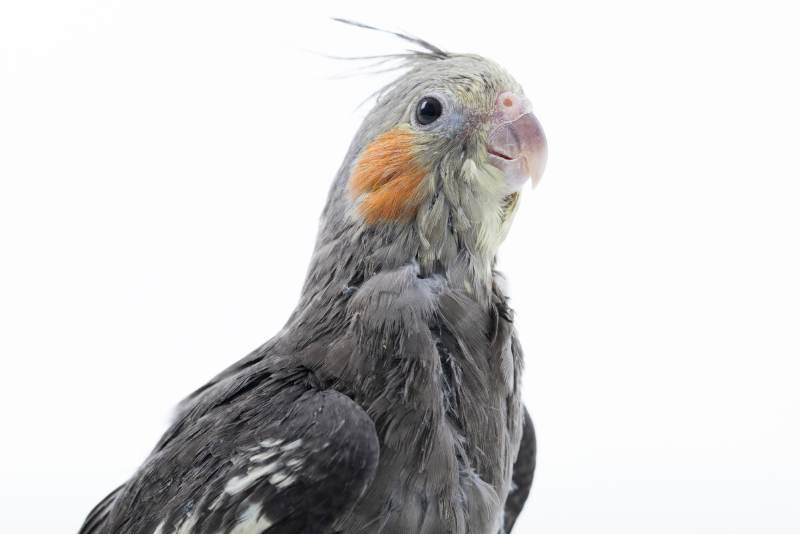
During molting, cockatiels replace their feathers, and new and healthy feathers, known as pin feathers, emerge. Feather growth is a complex process that plays a crucial role in maintaining the health and appearance of a bird’s plumage. Understanding feather growth and caring for pin feathers is essential for ensuring the well-being of your cockatiel.
Feathers are composed of a protein called keratin and grow from specialized follicles in the bird’s skin. When a feather is molted or lost, a new one begins to grow from the follicle. Initially, the new feather appears as a small, soft, and oftentimes pale structure called a pin feather.
Pin feathers are encased in a protective sheath, which prevents damage and aids in their development. As the pin feather matures, the sheath starts to crack and break apart, revealing the fully-formed feather within. At this stage, the bird may groom itself by nibbling on the pin feather and removing any remaining sheath fragments.
Caring for pin feathers is important to prevent discomfort and potential injury to your cockatiel. Avoid handling or touching the pin feathers, as they are delicate and sensitive. However, you can gently assist in grooming by using your fingers to remove any bits of sheath that the bird may have missed. Take extra care when dealing with pin feathers around the head, as they are more sensitive in this area. By providing a supportive and stress-free environment, you can help your cockatiel navigate the molting process and ensure healthy feather growth.
| Key Points |
|---|
| Feathers are replaced during molting, and new feathers called pin feathers emerge. |
| Pin feathers are protected by a sheath, which eventually breaks away to reveal the fully-formed feather. |
| Pin feathers require gentle grooming to remove any remaining sheath fragments. |
| Take extra care when grooming pin feathers around the head, as they are more sensitive. |
| Providing a stress-free environment supports healthy feather growth during molting. |
Grooming Pin Feathers and Relieving Itchiness
Care should be taken when grooming the pin feathers, especially around the head, as cockatiels may experience itchiness during the molting process. These pin feathers are fresh, new feathers that are still developing and require special attention to ensure they grow properly.
When grooming your cockatiel’s pin feathers, it’s important to be gentle and avoid causing any discomfort to your feathered friend. Using your fingers or a soft toothbrush, carefully remove any sheaths or casings that may still be attached to the pin feathers. This will help the feathers to unfurl and grow correctly.
Additionally, providing your cockatiel with a bath or shower can alleviate some of the itchiness associated with molting. The water will help to soften the pin feathers and relieve any discomfort your bird may be experiencing. Just be sure to use lukewarm water and ensure your cockatiel is comfortable with the bathing method you choose.
Remember, it’s normal for cockatiels to preen and groom themselves during molting to alleviate any itchiness they may be feeling. You can provide them with appropriate toys and perches that will encourage this natural behavior. If you notice excessive scratching or signs of irritation, it’s best to consult with a avian veterinarian to rule out any underlying health concerns.
Is Molting Painful for Cockatiels?
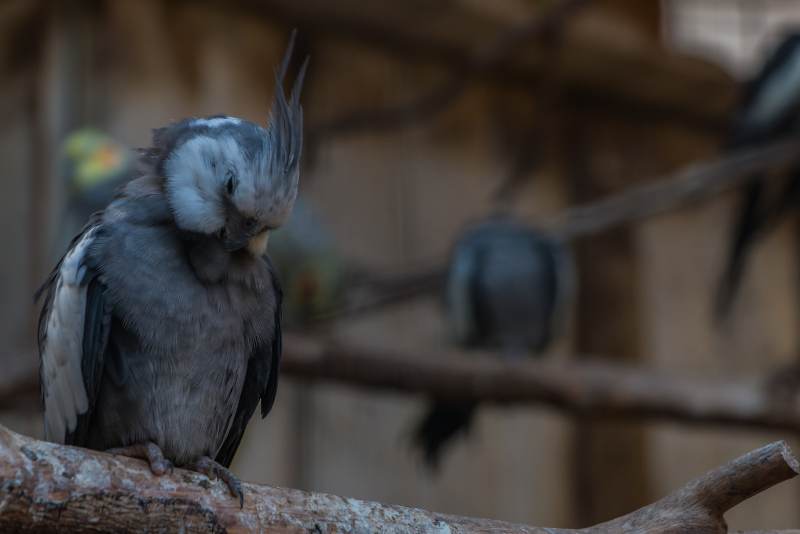
Although molting is not a painful process for cockatiels, they may experience itchiness as their feathers regenerate. This is a normal part of the molting cycle and should not cause alarm. During molting, the old feathers are shed, making way for new ones to grow. This process helps cockatiels maintain a healthy plumage and ensures optimal flight and insulation.
While itchiness may be uncomfortable for cockatiels, there are ways to alleviate this sensation and promote their overall well-being. Grooming pin feathers, which are new and healthy feathers that are emerging, can help relieve itchiness. It is essential to be gentle when grooming around the head, as this is a sensitive area for birds. Additionally, providing a dust bath or misting their feathers with water can help soothe any discomfort caused by itchiness.
During molting, cockatiels may display changes in behavior, such as increased food consumption, decreased activity, and occasional moodiness. This is a normal response to the physiological changes happening within their bodies. It is important to provide them with a nutritious and balanced diet to support healthy molting. Foods rich in protein and fat, such as pellets, seeds, fresh vegetables, and occasional fruits, can help facilitate the molting process and ensure the growth of strong and vibrant feathers. Consult with a veterinarian for specific dietary recommendations tailored to your cockatiel’s needs.
Caring for Your Molting Cockatiel
- Monitor their diet: Ensure your cockatiel receives a balanced and varied diet to support molting.
- Groom gently: Take care when grooming pin feathers, especially around the head.
- Provide opportunities for relief: Offer a dust bath or mist their feathers with water to soothe itchiness.
- Monitor behavior changes: Understand that increased food consumption and moodiness are normal during molting.
- Visit a veterinarian if necessary: If your cockatiel exhibits signs of abnormal molting or shows prolonged discomfort, consult a vet.
| Signs of Molting in Cockatiels | Duration | Reasons for Multiple Molts |
|---|---|---|
| Feather loss and regrowth | Up to three months | Warmer climates and environmental factors |
| Increased food consumption | Varies by individual | Nutritional deficiencies and stress level |
| Grumpy behavior | Varies by individual | Disease and parasite infestation |
Remember, molting is a natural process for cockatiels. By understanding the signs and providing proper care, you can ensure a smooth and healthy molting experience for your beloved feathered friend.
FAQs On Molting In Cockatiels
Q: When do cockatiels molt and what is molting?
A: Cockatiels molt at least once a year, typically during spring or summer when temperatures are warmer. Molting is a normal process in which birds shed their old feathers and grow new ones.
Q: How long does molting in cockatiels last?
A: The molt can last up to three months, during which birds may exhibit grumpiness, decreased activity, and increased food consumption.
Q: Can cockatiels molt multiple times a year?
A: Cockatiels may molt multiple times a year in warmer climates.
Q: What should I feed my cockatiel during molting?
A: It is important to provide a balanced diet with adequate protein and fat to support healthy molting.
Q: Are there any signs of abnormal molting?
A: Abnormal molting could indicate nutritional deficiencies, diseases, stress, or parasites, and should be evaluated by a vet.
Q: What are pin feathers and how should I groom them?
A: Pin feathers are new and healthy feathers that emerge during molting. Care should be taken when grooming pin feathers around the head.
Q: Is molting painful for cockatiels?
A: Molting is not painful for birds but they can feel itchy as feathers grow back.
Q: How does molting help birds develop and maintain their plumage?
A: Molting is a natural process that helps birds develop and maintain their plumage by replacing old feathers with new ones.
Conclusion On When Cockatiels Molt
Understanding when cockatiels molt and the factors involved is crucial for ensuring the health and happiness of these beloved feathered companions. Cockatiels typically molt at least once a year, usually during the spring or summer when temperatures are warmer. This natural process allows them to shed their old feathers and grow new ones, helping them develop and maintain their plumage.
The molting period can last up to three months, during which cockatiels may exhibit signs of grumpiness, decreased activity, and increased food consumption. In warmer climates, cockatiels may molt multiple times a year. To support healthy molting, it is important to provide a balanced diet that is rich in protein and fat. This will ensure that they have the necessary nutrients for feather growth and maintenance.
Abnormal molting, such as excessive feather loss or delayed regrowth, could indicate underlying issues such as nutritional deficiencies, diseases, stress, or parasites. If you notice any signs of abnormal molting, it is recommended to consult a veterinarian for evaluation and appropriate treatment.
During the molting process, feathers are replaced, and new and healthy “pin feathers” emerge. These pin feathers require special care, especially around the head area, to prevent injury and discomfort. Grooming them gently can help alleviate any itchiness experienced by cockatiels as their new feathers grow back.
It is important to note that molting is not a painful process for cockatiels. Although they may feel itchy as the new feathers emerge, it is a natural and necessary part of their growth cycle. By understanding and supporting their molting needs, you can ensure that your cockatiel remains healthy and happy.
When was the last time your Cockatiel Molted? How did they behave? Let us know in the comments!
-Kacey
P.S. Did you like this article? Fly on over to:
- Can Cockatiels Eat Lettuce? Which Lettuce Is Best?
- Cockatiel Lifespan in Captivity: Complete Guide
- Cockatiel Heart Wings: What It Means
- How to Set Up a Cockatiel Cage